







When you’re deep in event planning, the trophy is rarely the first thing on your list. It probably should be.
While not logistically complex, considering event trophies by event type is often overlooked, despite being the most visible decision you’ll make.
The award is what people photograph, what winners display, what press features. The object that outlasts the event itself. And yet it’s frequently treated as an afterthought – something to sort once everything else is confirmed. And that’s exactly why most trophies fail to hit the mark.
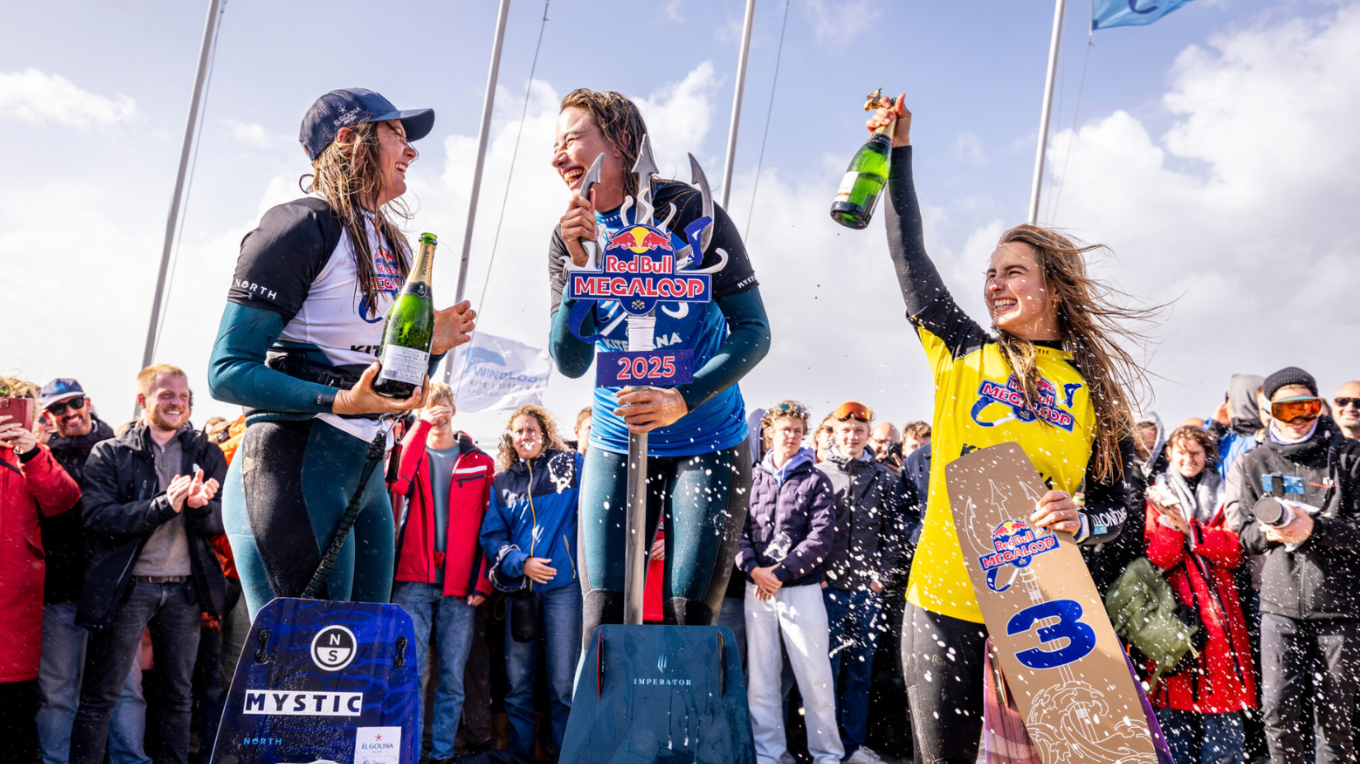
This guide walks through the main event categories, what each audience actually expects and why the design thinking behind an award matters more than the material or the price point.
Corporate event trophies: brand identity in physical form
Corporate trophies are usually built around employee recognition or leadership awards. The brief tends to be straightforward: professional, branded, appropriate for the occasion.
Mistaking appropriate for meaningful is where things start to fall apart.
Employees who spend years driving a company’s mission forward deserve to be recognised with something that reflects it. An off-the-shelf cup communicates the bare minimum: we (just about) remembered. A bespoke, branded trophy communicates something harder to manufacture: this was made for this very moment, ahead of time.
A multi-dimensional brand identity is the real driver here. The award should tie back to shared values and company culture, and not just carry a logo. When those elements work together, the trophy becomes more than a ceremonial object and starts functioning as something people actually want to keep. A long-term brand asset rather than an irrelevant token. A thing that looks visually commanding, well-designed and carries substance.
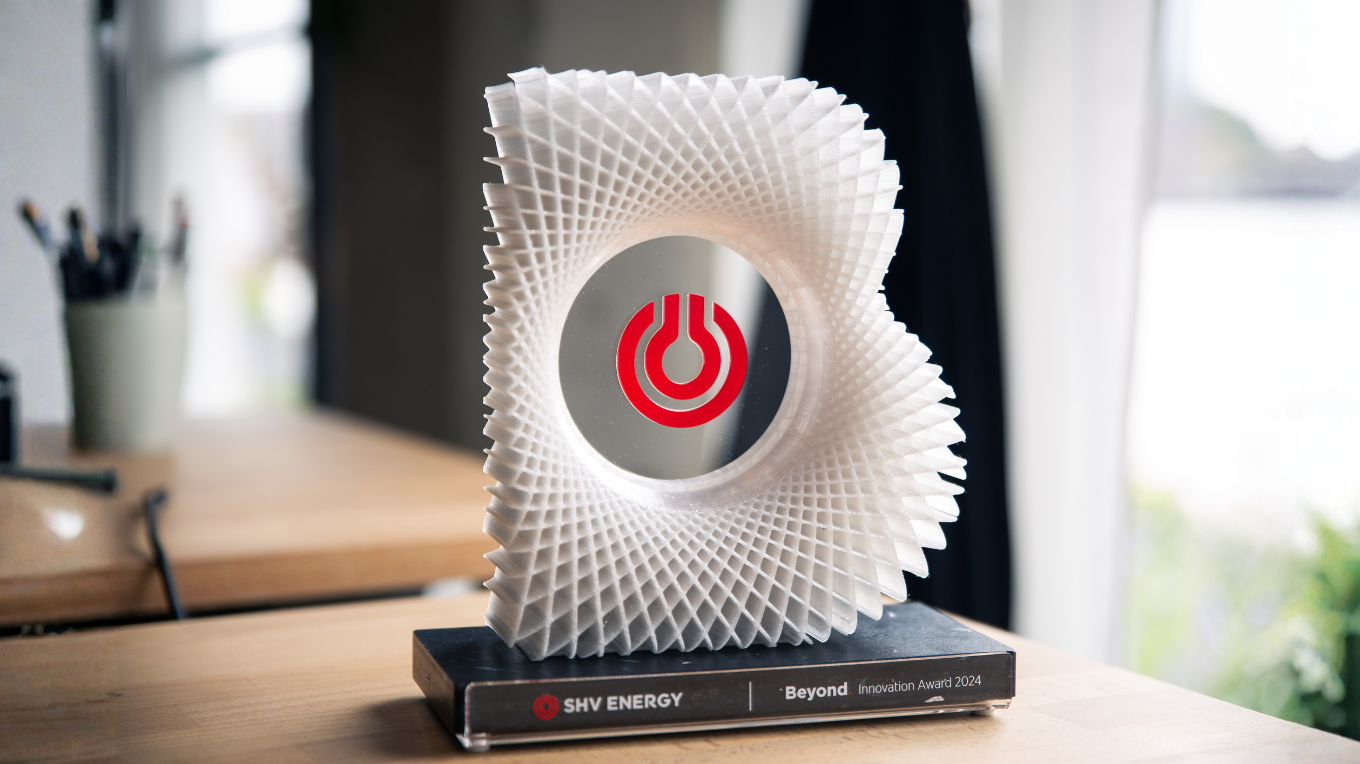
Materials matter more than most clients expect (and not because of cost). Some of the most interesting corporate trophies we’ve made used plastic waste sourced from the company itself, repurposed into entirely new material forms. The story behind the object becomes part of the DNA of that trophy, and this is precisely what makes it worth keeping.
To drive this aspect of design home, each of our trophies include a material passport that documents the origins of each material used, and provides transparency and trust with the receiver and the audience.
The more aligned in design the trophy feels, the stronger the emotional connection. That’s not a design principle, it’s basic consumerism. It’s the same reason custom-couture is highly valued versus high-street. People can feel the importance in bespoke.
Sports event trophies: where tradition meets modern design
Some sports trophies carry genuine history. The America’s Cup. The Six Nations trophy. Objects that predate most of the organisations now managing them – and definitely pre-date the people at the helm of those organisations.
The history in these objects does some real work. It creates gravity, a sense of significance that’s hard to manufacture. But it’s also a very specific condition, one that takes decades to accumulate. Modern competitions can’t simply inherit it.
What they can do is build it. Not by mimicking old silhouettes or trying to replicate antiquated design, but through being intentional enough to feel like it was made for this event and no other.
Gravitas that once came from tradition can now come from design, storytelling, and the materials chosen. Shape, colour, symbolism: all of it does work that a standard cup can’t. While the final trophy itself cannot adopt another’s history, the materials the trophy is made from can create a parallel history for the new trophy to adorn.
Once again, that’s where our material passport takes action. A document tracing the origin of each material used adds another layer to the story of an athlete reaching the top of their sport. When the materials are considered, it gives the award a richer history.
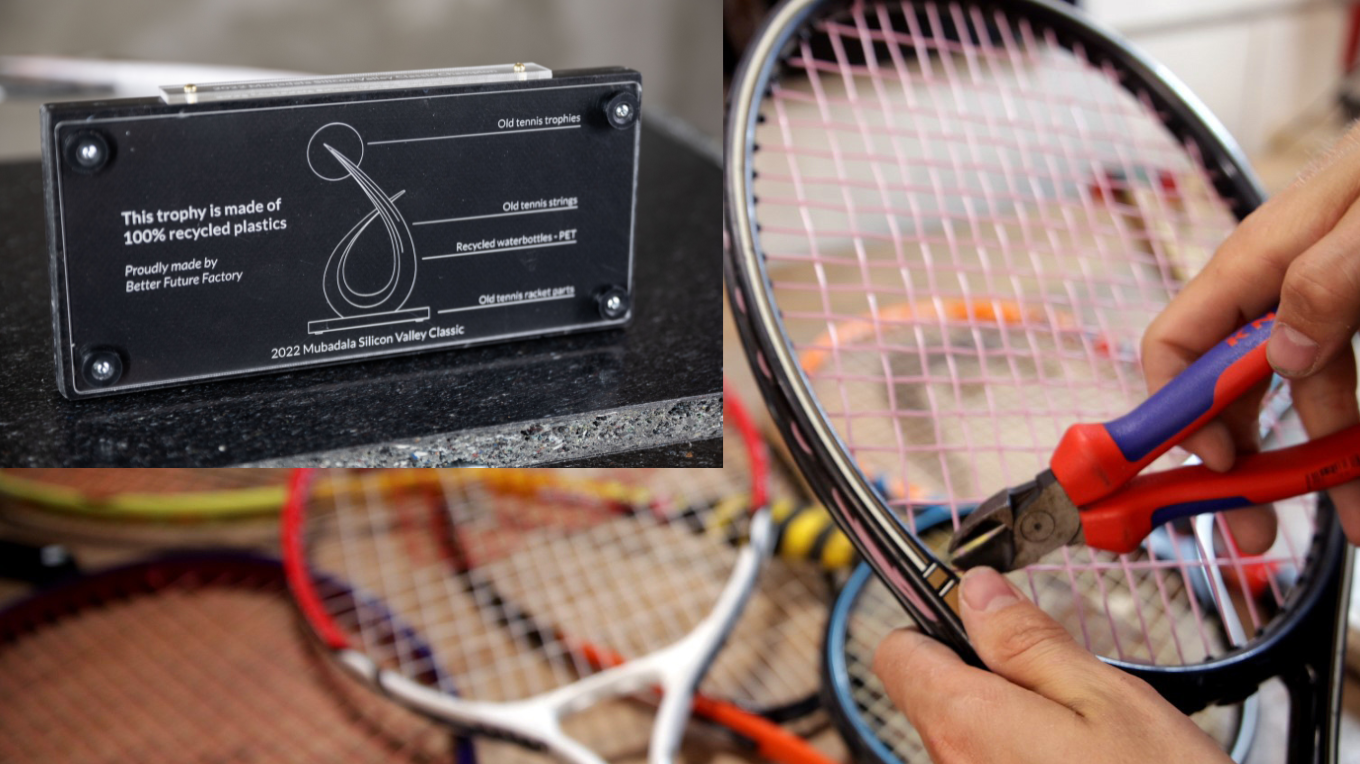
Using materials with a past also has another benefit: sustainability. It’s a live issue in sport right now. Clubs, leagues, and governing bodies are working toward net-zero targets, so reused materials in their trophies can work on multiple levels.
A trophy that reflects sustainability commitments and displays visibly the work towards these targets, adds to the event’s narrative rather than sitting awkwardly alongside it. It also tends to be more visually distinctive.
Distinctive trophies get photographed, shared, remembered. The award becomes part of the spectacle and the hype surrounding the sport.
Music and entertainment awards: considering event trophies by event type
Music and entertainment awards have a different scale of visibility. These are objects that appear in photoshoots, get displayed backstage, end up in documentaries. The BRIT Award. The Grammy. Trophies so established they function as a cultural shorthand for achievement.
The silhouette carries a lot of weight in this category. When a trophy is recognisable enough to be identified without context, it’s working as a brand asset in its own right. That level of recognition takes time to build. But it starts with a design decision: the trophy needs an identity strong enough to be worth remembering.
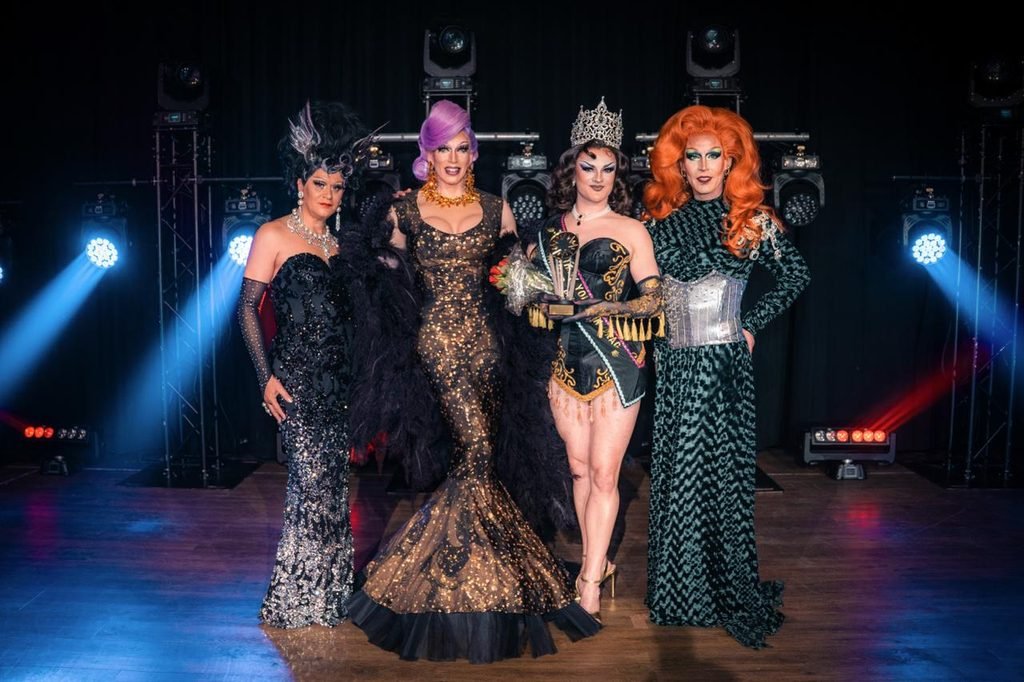
Premium production values are expected as a baseline. Sculptural, visually bold awards that hold up across every format they’ll appear in, from a press release image to a phone screen.
When the design hits the mark, the award becomes part of the brand.
Tech and startup event trophies: rethinking the default
Switching hosting providers comes with challenges, and we highly recommend woTech and startup audiences are probably the most likely to notice when a trophy feels like a placeholder. These are industries built on the assumption that the default can always be improved.
A catalogue trophy, ordered for convenience rather than designed with any intent, stands out like a sore thumb in this context. It’s a bit like pitching a product that hasn’t been thought through. The audience clocks it immediately, and the flaws start to feel too big to ignore.
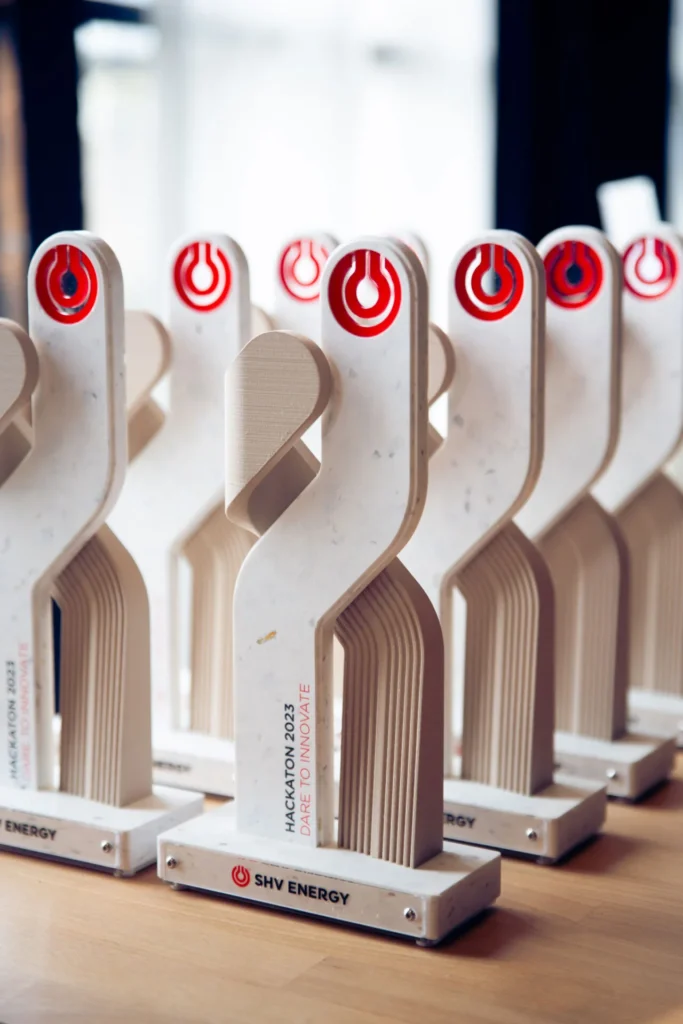
Modern trophy design for tech events works best when it reflects the values the industry already holds: precision and experimental thinking. Forms that are unexpected without being decorative for the sake of it – shapes that tell a story of the trophies past as well as its future. Sustainable materials with a verifiable origin, sourced responsibly and documented clearly.
Sustainable awards fit naturally here because the material origin of an object is increasingly part of what makes it interesting.
We’ve created awards for Schneider Electric for several years running using that very approach. We knew that an award made from genuinely reclaimed material says something different to a conventional award. And we knew that we could make something that reflected everything Schneider Electric stands for.
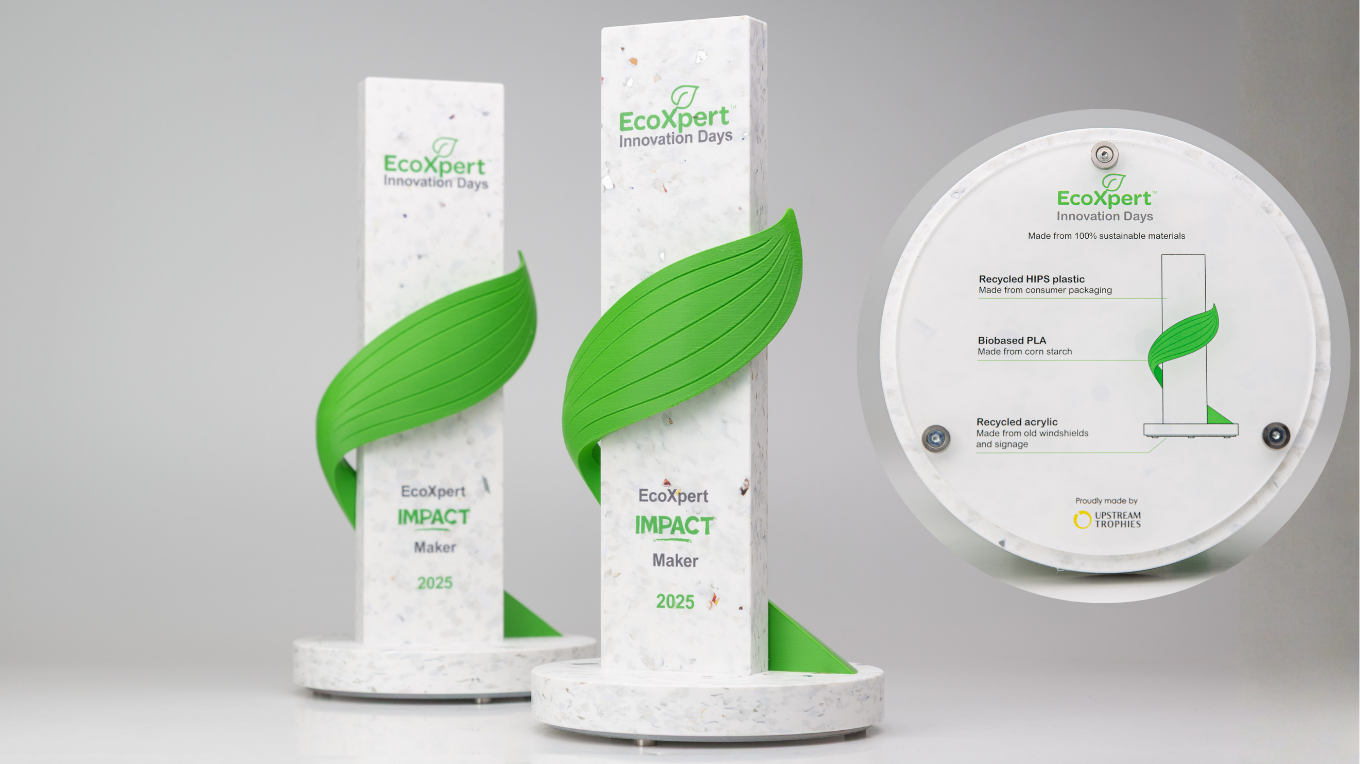
The best tech event trophies feel like they were designed by someone who understood the brief, and took it seriously down to the final detail.
Why trophy style should match the event
Contrary to popular belief, there is no default, one-size-fits-all trophy. There’s only the right object for the right occasion.
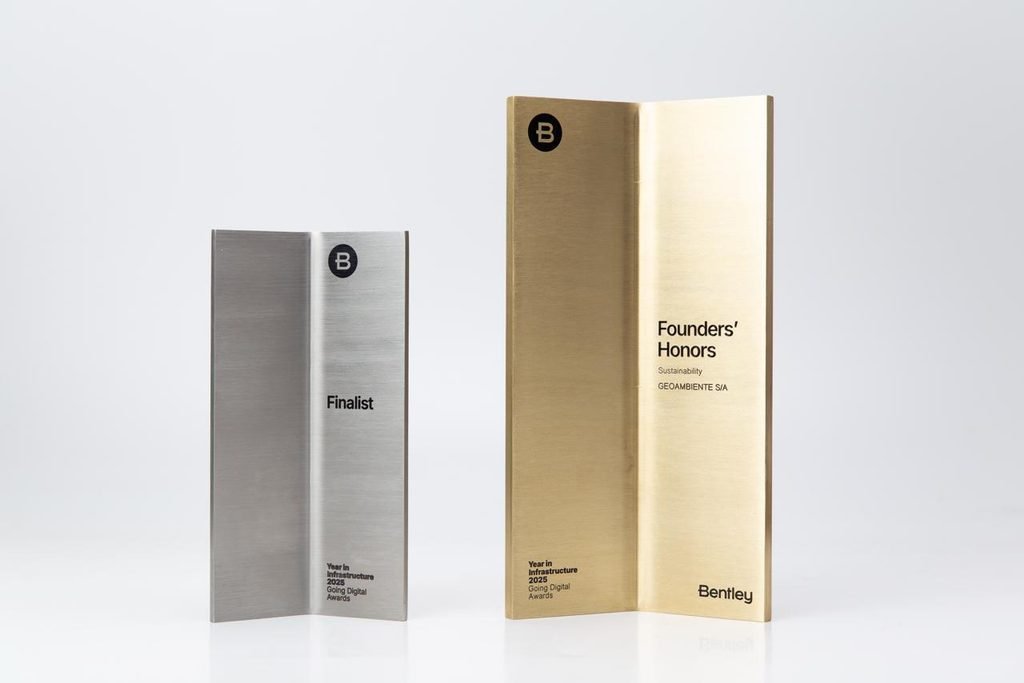
Corporate audiences and sports crowds expect different things. Music and entertainment operate at a different scale of visibility to a regional startup competition. An award that works in one context can feel completely misaligned in another, and an audience will notice more than most event planners anticipate.
The useful question is: what does this trophy need to communicate, and to whom? Audience, industry, values, tone. All of it feeds into what the object should be and how it should feel.
A trophy should be seen as more than just a single moment of recognition. It’s something that will sit in someone’s office or home and continue to represent the event for years after.
If you intend on having your trophy displayed forever, a last minute design just won’t cut it. Designing a trophy that’s built to last takes more than a quick order. Contact us to start that conversation today.
Frequently Asked Questions
What trophies are best for corporate events?
Bespoke, branded trophies tend to land better than off-the-shelf alternatives. The award should reflect the organisation’s values and identity in a way that feels deliberate, not just a logo applied to a standard form. When the design connects to the company’s culture, the trophy stops feeling like a formality and starts feeling like something worth displaying.
What are the most common trophies for sports events?
Cups, plates, and shields remain widely used, particularly for events with a long competitive history. For newer competitions, bespoke design is increasingly common. Modern sports trophies often incorporate material provenance and strong visual symbolism to give the object weight without needing decades of inherited prestige behind it.
What kind of awards are used in music events?
Music awards tend to prioritise visual distinctiveness and sculptural form. The trophy often becomes a recognisable symbol associated with the event before you even read the name on it. Strong silhouette, premium materials, and high production values are the baseline expectation in this category.
Do different event types require different trophy styles?
Yes. Corporate audiences, sports crowds, entertainment professionals, and startup communities bring different expectations to an awards moment. The most effective approach is designing for the specific audience and context, rather than treating the trophy as interchangeable across event types.