







The World Cup is well and truly underway. Even if you’re not watching it, there’s no way you could miss it.
Anything remotely football-shaped in stores has been transformed. Lettuce, for example.

With every passing tournament, it seems like World Cup fever becomes more and more contagious. Something not many know about? The World Cup trophy history is just about as dramatic as any match played beneath it.
A trophy that became an icon
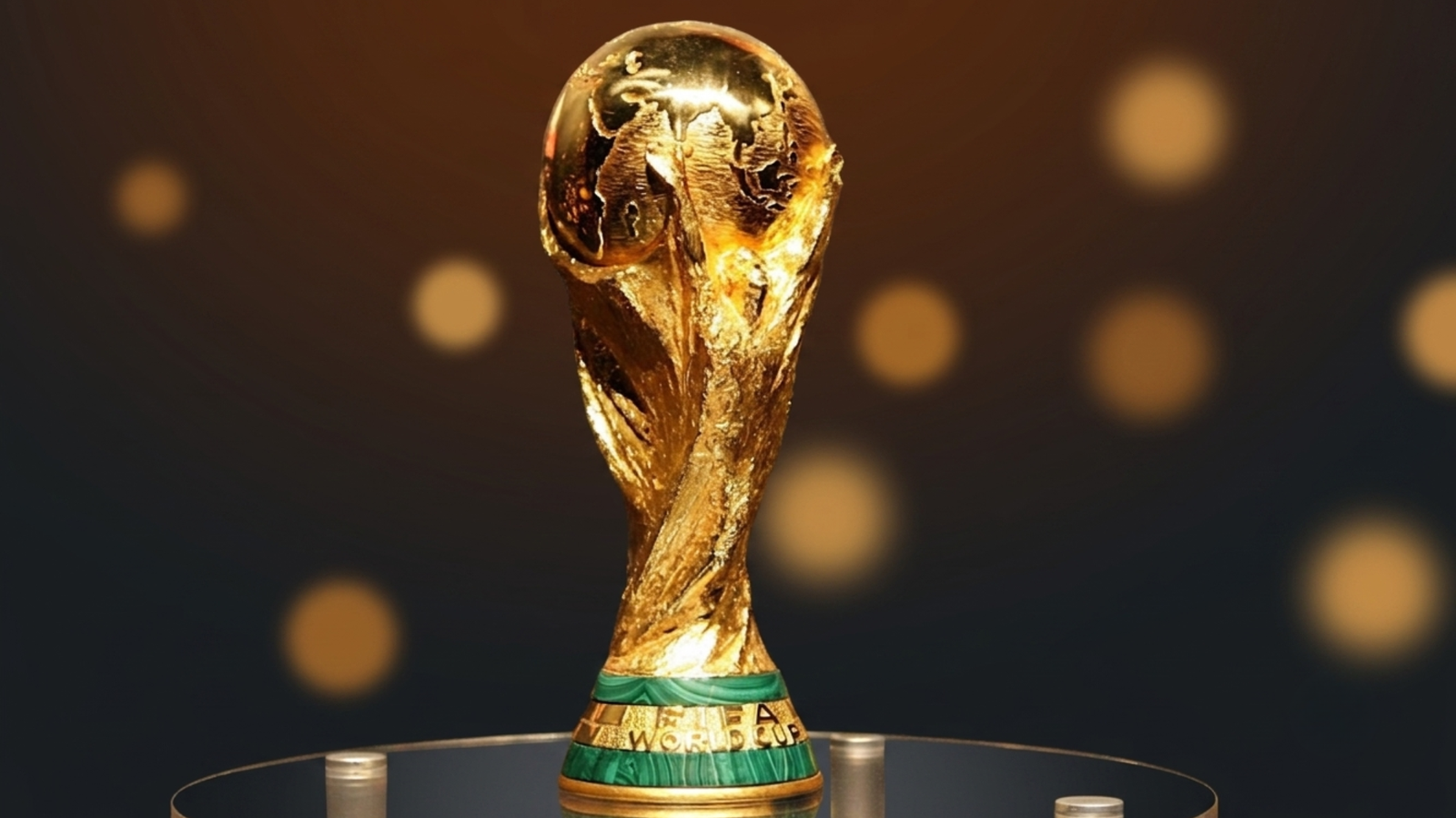
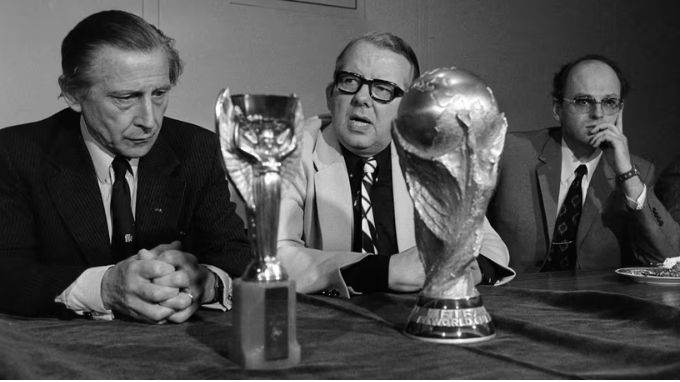
As with any tournament this huge, the World Cup trophy has become an icon. Cast in 18-carat gold, it features two figures lifting the Earth – a symbolic depiction of the global unity that the World Cup tournament brings.
Triumphantly modern and unique in design, this version of the World Cup was created for the 1974 edition of the competition.
The mystery of the World Cup trophy
In the years before, the Jules Rimet trophy was awarded to the winning team. This version of the FIFA World Cup trophy featured Nike, the ancient Greek goddess of victory, holding a cup above her head. Unveiled in 1930, it was modern for its time, but was still a silhouette of a standard cup.
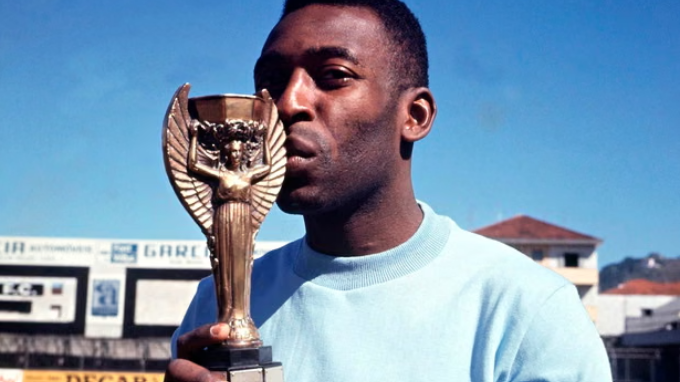
In 1970, Brazil won their third World Cup. According to FIFA rule, the first three-time winner of the World Cup would get to hold onto the Jules Rimet trophy for good.
Brazil took permanent ownership of it, housing it in the headquarters of the Brazilian Football Confederation in Rio de Janeiro. 13 years later, in 1983, the Jules Rimet trophy was stolen, never to be seen again.
Shockingly, this wasn’t the first time it had happened. In England just before the 1966 tournament, the World Cup trophy went missing. Luckily for FIFA, the trophy was found wrapped in newspaper under a garden hedge by a dog called Pickles.
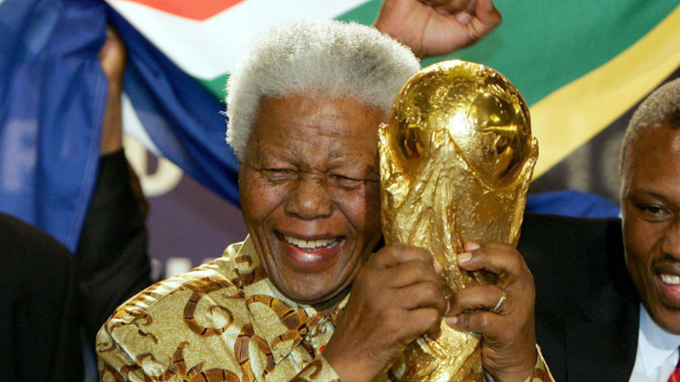
After Brazil lost the World Cup, it’s safe to say FIFA no longer give it to the three-time champions. In fact, the new trophy hasn’t been lent out to winning countries at all since its refurbishment in 2005. Now, each country gets a bronze cast replica of the original trophy, plated in gold.
Winning trophy design
In 1970, after the cup went to Brazil, FIFA announced a competition to design the new World Cup trophy. 53 designs were submitted by artists from 7 different countries.
Most entries were sketches, but Italian sculptor Silvio Gazzaniga sent in both sketches and a prototype – a move that helped FIFA see the trophy as it was meant to be seen, and experience how it felt to hold it.
According to Gazzaniga’s family, he put everything into designing this trophy. He sought to create something that broke the mould of a traditional, rigid sporting cup and developed his design around the human experience surrounding the World Cup.
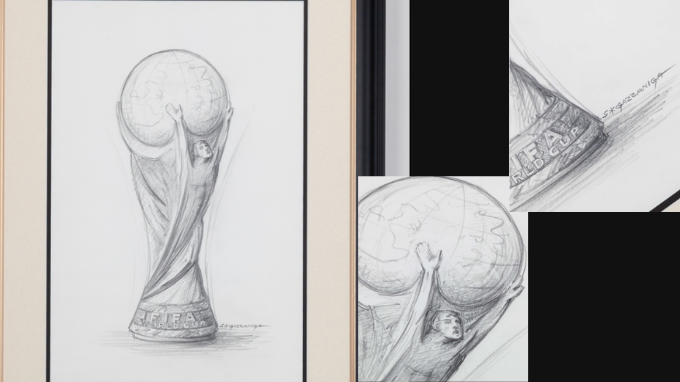
When his design was chosen, FIFA entrusted the crafting of the object to the Bertoni family workshop where Gazzaniga worked. The final piece consisted of several elements:
- The gold casting, made with 5kg of 18-carat gold. The globe was designed to be hollow so that it wasn’t too heavy.
- A malachite marble base, used to represent the green of a football pitch (but the stone itself also represents hope and strength).
- A polished finish designed to catch the light in a way that makes the trophy look magnificent from every angle.
The thought that went into the design of the trophy went way beyond just making it look good. Gazzaniga designed an award that carried the values of the game and united multiple elements, each of which had a specific reason for being included.
To this day, the Bertoni workshop retains the right to manufacture the replicas that winning countries get to take home with them.
Making World Cup trophy history
This year, teams from the world over head to the USA with dreams of lifting the World Cup trophy. Since 1974, the current World Cup has inspired thousands of hopeful children, motivated professional footballers and cemented its position as the pinnacle of world football.
What makes it possible for a tangible object to evoke so much emotion? Great design and the vision of someone who understands how to tie meaning to a shape. Silvio Gazzaniga was that someone. He knew that when the event carries weight, the trophy should start in the hands of a designer.
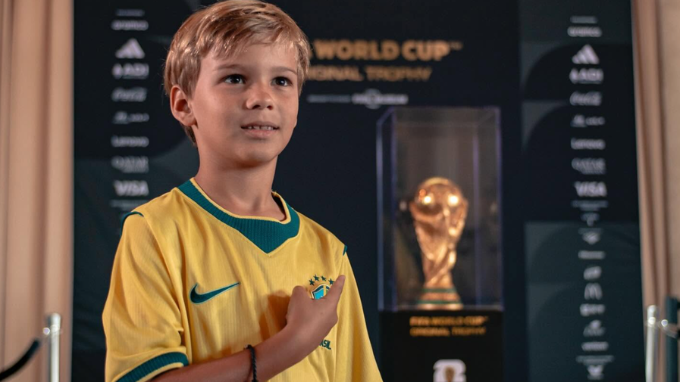
Most trophies are made to look like trophies, but the World Cup looks different entirely.
That didn’t happen by accident. Gazzaniga made specific decisions: human figures instead of symbols, a sphere globe instead of a flat circle, a base the colour of a football pitch. Each decision has a logic. Taken together, they produce an object that doesn’t need a label to tell you what it represents.
This is what separates a trophy from an award. An award marks an achievement, but a trophy becomes part of the story of achievement.
At Upstream, we start every brief with the question Gazzaniga was clearly asking in 1970: what does this event mean, and what physical form does that meaning take? The material, the weight, the surface finish, the provenance of every element – all of it is documented, considered, and specific to the event it’s made for. Ultimately, it’s these decisions combined that makes a trophy worth holding on to.
Enjoyed reading this?
Sign up to our newsletter for monthly insights on trophy design, sustainability and industry trends.