







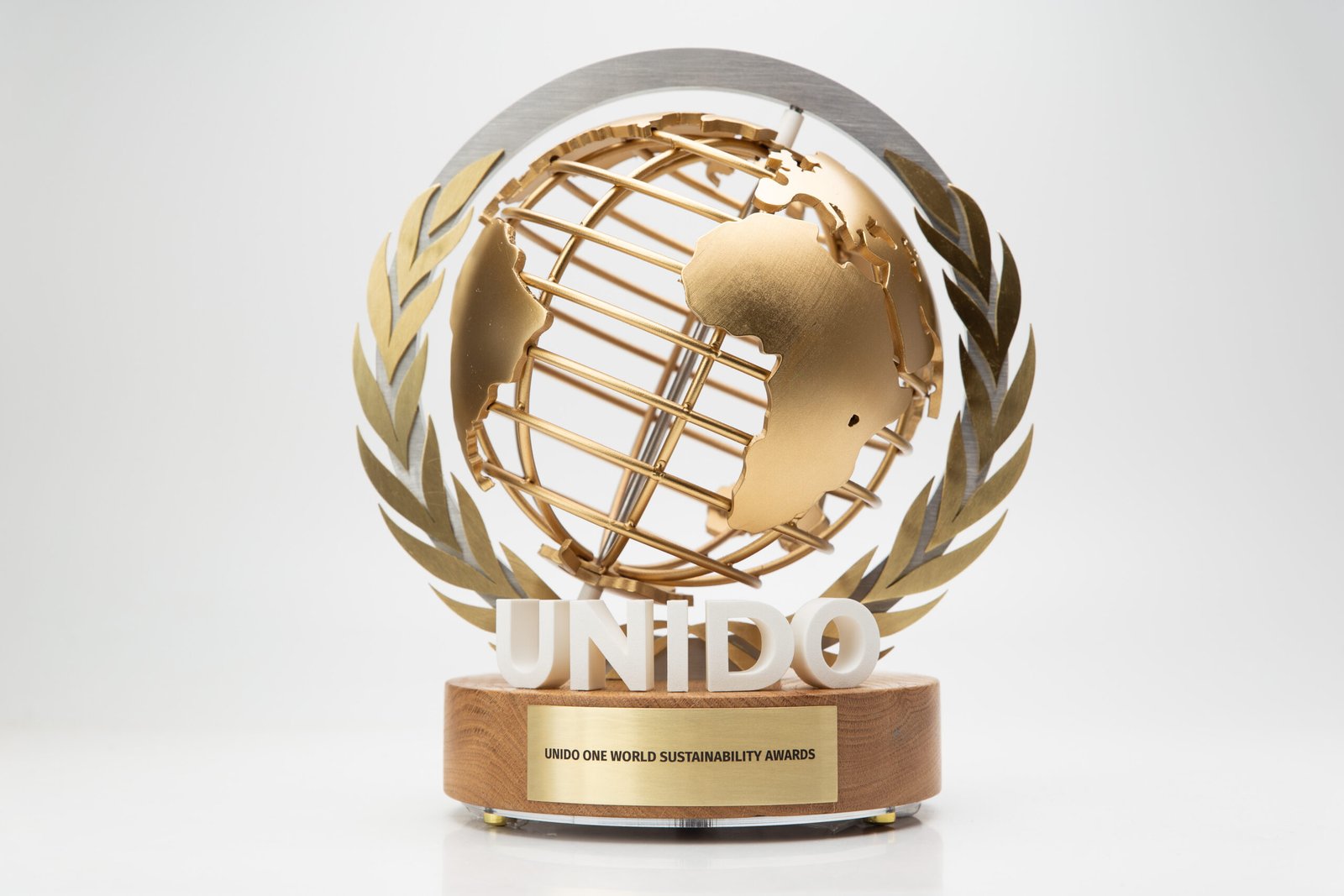
A trophy is only as meaningful as the thought behind it. One of the most telltale signs of that thought? The material it’s made from.
Whether it’s the weight of a metal award when handed to a winner or the texture of a reclaimed material with a story behind it, the material shapes the moment.
It communicates a very clear message – not just about the prestige of the award, but a story of the awarding body or the organization presenting it.
This guide covers the most common materials used in trophies, particularly in high-end event settings. It helps you ask the questions worth asking before choosing one, and why material selection is one of the most important – and most overlooked – decisions in the award design process.
Different materials used in high-end event trophies
Materials used in high-end event trophies entirely depend on the design, the end-use, branding and the awarding organisation.
High-end event trophies are made from materials that keep in mind the look, feel and use of a trophy – as well as its durability.
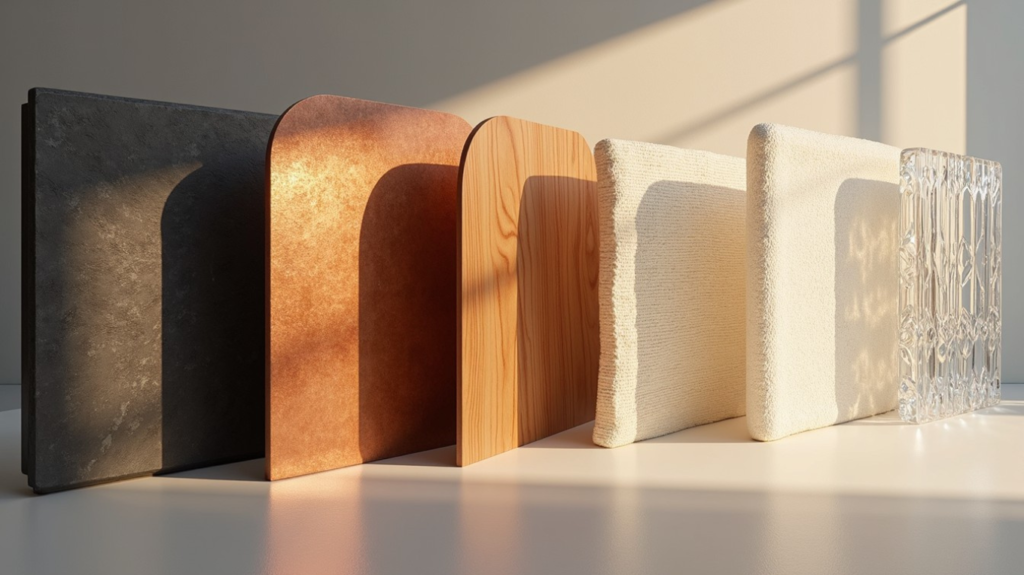
The materials that are most commonly used across industries are:
- Metal (aluminium, brass, bronze, stainless steel etc.): chosen for their luxurious feel, strength and aesthetic.
- Glass and crystal: one of these materials is often used because of its clarity and the way the light interacts with the cut.
- Wood and natural materials: used for warmth and texture, especially when responsibly sourced.
- Recycled and reclaimed materials: increasingly popular for sustainable awards with a strong narrative
- Mixed materials: combining elements like metal and recycled plastic to create unique, design-led trophies
The material you choose depends on a multitude of factors. Event type, brad identity and longevity (forever!). In high-end trophy design, material selection is almost always the very first consideration. It’s a core part of the award’s identity and of how it conveys its value and its story.wered by renewable energy helps cut CO₂ emissions significantly.
Why materials matter in high-end event trophies
Most people think about shape first when designing a trophy. Material tends to come later, treated almost as a finishing detail.
In reality, it’s one of the first decisions that should be made.
Materials used in trophies affects perceived value. A poorly chosen material can undermine an otherwise beautiful design – making something that looks expensive feel cheap the moment it’s handled. On the contrary, the best materials for high end trophies shift a simple form into something that feels significant.
Materials affect longevity. High-end event trophies are meant to last. They travel between homes and offices, survive decades on shelves, and are sometimes passed down. The material (along with packaging decisions) determines whether they make that journey intact or not.
It affects symbolism. What a trophy is made from sends a message about the values of the awarding organization, the calibre of the event, and the seriousness with which the achievement is being recognized. Premium trophy materials are often a better option to use as a symbol for your brand.
And increasingly, it affects brand representation. Organizations that have made public commitments to sustainability can’t hand out awards made from new plastics and untraceably sourced materials without undermining their own message.
The trophy is a brand touchpoint, and carries the responsibility of behaving like one.
Metal materials used in high-end event trophies
Metal remains one of the most widely used material categories in high-end awards, and for good reason. It carries associations of permanence, quality, and craftsmanship that are difficult to find with other materials. The best metals for trophies usually depends on the project brief.
Aluminium is lightweight, versatile, and highly recyclable. This makes it an ever popular choice for organizations who want to balance premium aesthetics with sustainability. It’s hugely versatile due to its finishing options – from brushed to anodized to powder-coated meaning one material can convey a multitude of effects.
Brass has a warm golden tone and notable weight to it. It ages well, starting out as a vibrant orange and over time becoming darker, developing character. It’s often used in more traditional awards with a more historic feel.
Bronze is similar. It’s rich, tactile, and historically associated with achievement, with many statues being created in bronze. Over time, it develops a protective layer called patina that can show up as green or blue.
Stainless steel is resistant and provides a cleaner aesthetic. Because of this, it’s often used in modern design, or where the medal or trophy is sleek or minimal.
When it comes to using metals, finishing processes such as anodising, polishing, or sandblasting further influence how trophy materials are perceived.
While metal is a fantastic choice for a luxury trophy material that stands the test of time, it’s worth noting that metals generally carry a higher carbon footprint. This is due to mining and processing.
However, using recycled metals significantly reduces this impact (and in the case of screws and fixings, metal’s recyclability and ability to enable disassembly actually makes it the more sustainable choice in the long run).
Glass vs crystal in premium trophies
Glass and crystal are common premium trophy materials because of their luxe aesthetic. The light bouncing off the award, the clear-cut edges – perhaps even the similarities to luxurious gemstones.

Glass is valued for its clarity and premium appearance, making it a popular choice for high-end awards. However, it is also one of the more energy-intensive materials used in award production. The high temperatures required for manufacturing result in a significant environmental impact, which is one of the reasons we use glass only selectively in our collection.
Crystal Producing high-quality crystal glass awards also requires specialised craftsmanship that lies outside our core expertise. In addition, glass is relatively fragile, making worldwide shipping more challenging and increasing the risk of damage during transport. For these reasons, we primarily focus on recycled materials that offer greater durability, sustainability, and design flexibility.
Wood and natural materials in sustainable awards
Wood is one of the classic materials used in trophies, and is seeing a resurge in popularity – especially when it comes to luxury trophy materials. That’s because organisations and awarding bodies are looking for ways to improve their sustainability while maintaining an elegant and premium feel.
While wood can be a sustainable option, there are some important misconceptions that are worth addressing.
The assumption that because it’s a natural material, it’s automatically sustainable is far from the truth. The fact is that the sustainability of this natural material depends entirely on its source.
At Upstream Trophies, we are very conscious about our material choices, and when we use wood in our awards, it is because it adds meaning, character, and value to the story being told. Rather than relying on virgin materials, we prioritise reclaimed and repurposed wood sources whenever possible.
Our projects have incorporated a wide range of unique wood materials, from reclaimed urban trees and deadstock timber to historic wood with a remarkable provenance. In some cases, we have even crafted awards from wood recovered from 18th-century naval frigates. By giving these materials a second life, we create trophies that carry a story far beyond the award itself while reducing the demand for newly harvested resources.
When used thoughtfully, this natural material brings an air of warmth and a unique texture that alternative materials struggle to replicate. Wood works particularly well in making awards that are connected to the natural world – such as environmental awards, wildlife awards or sports awards.
While natural materials are a great option, they are not automatically as sustainable as they may suggest – it’s all about where you source them from.
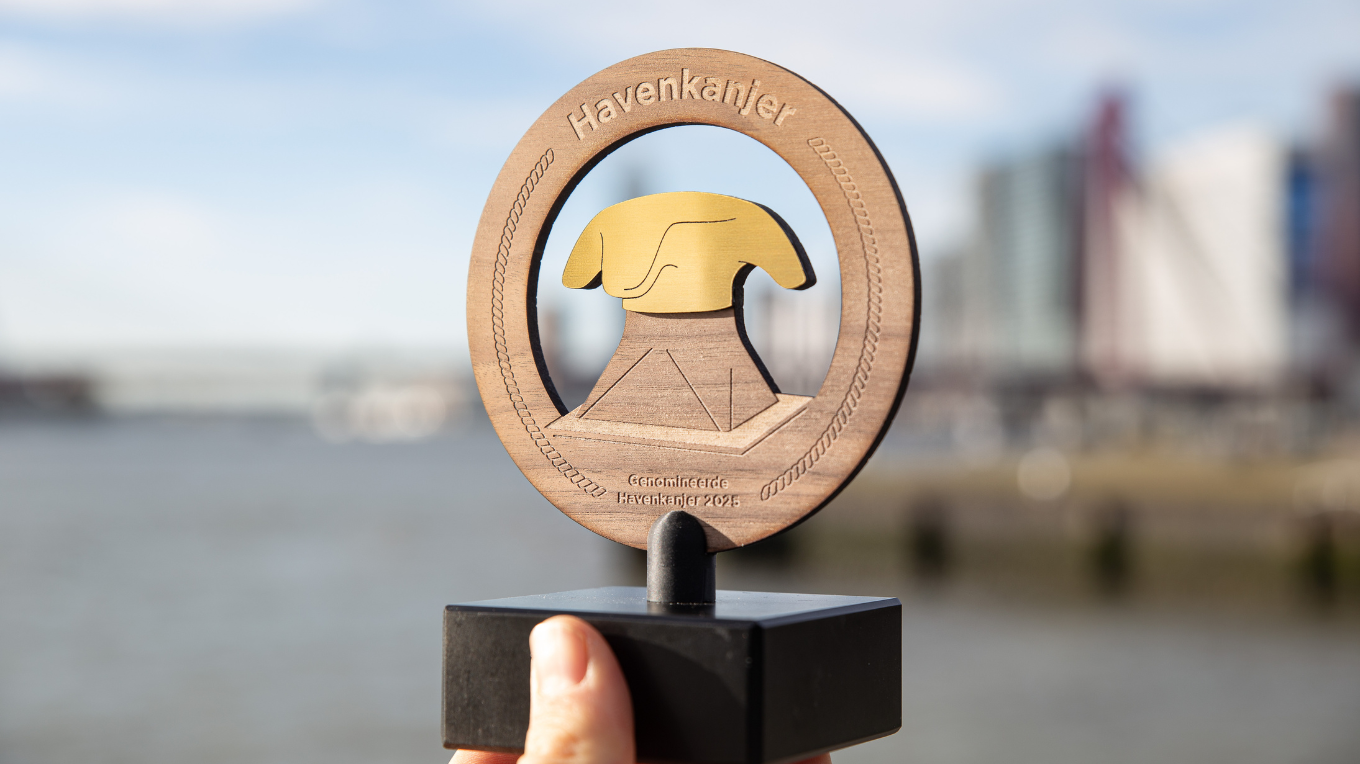
Recycled and reclaimed materials in modern trophy design
This is where design-led trophies come alive.
Using recycled and reclaimed materials is a design choice that is becoming increasingly popular. Not only are these designs unique in the story they tell, they are usually the most interesting creations.
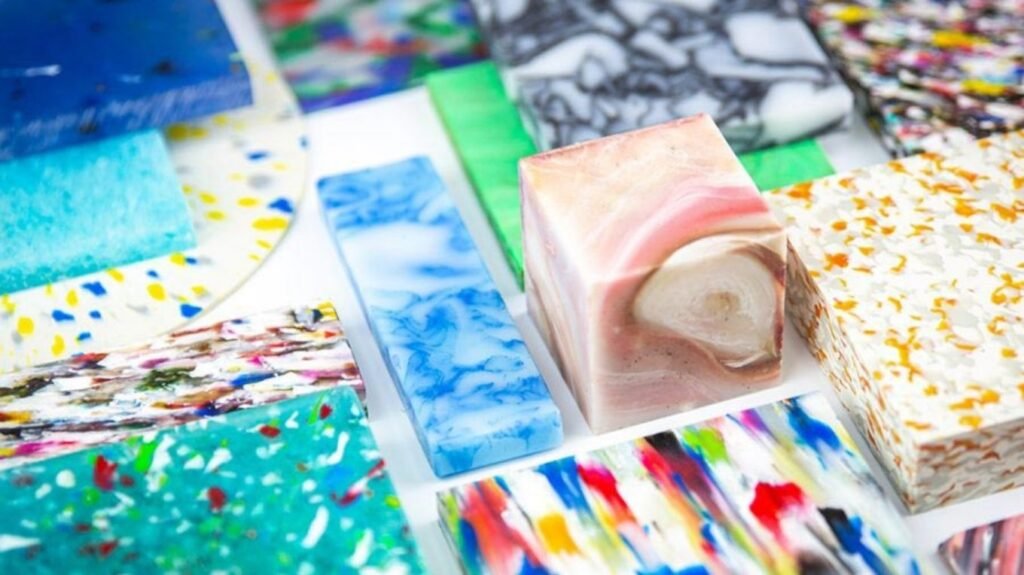
Recycled materials are those that have been processed from waste streams and remanufactured into new forms. At Upstream Trophies, we work exclusively with recycled plastics, transforming what might otherwise be waste into sheet materials with their own distinctive texture, colour, and character. No two pieces are identical. The material’s history is visible in its appearance.
Reclaimed materials go a step further. These are materials taken directly from a specific source and repurposed with minimal processing. A trophy made from decommissioned equipment, surplus manufacturing material, or industry-specific waste carries a story that cannot be replicated. It connects the award to the world it comes from.
Whether driven by sustainability targets, organizational commitments or a desire to lead in the future of design, a trophy using reclaimed and recycled materials is evidence just as much as it is art.
When a tech company’s awards use reclaimed circuit boards, or a tennis trophy uses recycled rackets, the material communicates in a way that no engraving could.
To ensure the story is remembered long after the award event, we provide each trophy with a material passport detailing what each element is made up of and documenting the origin.
In practice, this is circular design. A mission to reduce waste, keep materials in the loop for as long as possible and designing objects not just for this lifetime, but for the lifetimes ahead. For more on how sustainable materials fit into the wider award design process, see our guide to event trophies, materials and more.
Mixed materials in high-end event trophies
The best materials for high-end event trophies are often combined. Some of the most distinctive high-end awards use more than one material, and the mix is usually where the real design opportunity lies.
Recycled plastic and metal is a pairing we use frequently at Upstream. The plastic provides the body: textured, colourful, and full of character from its previous life. Metal fixings and details add precision and permanence. The contrast between the two creates visual tension that makes the object more interesting to look at and to handle.
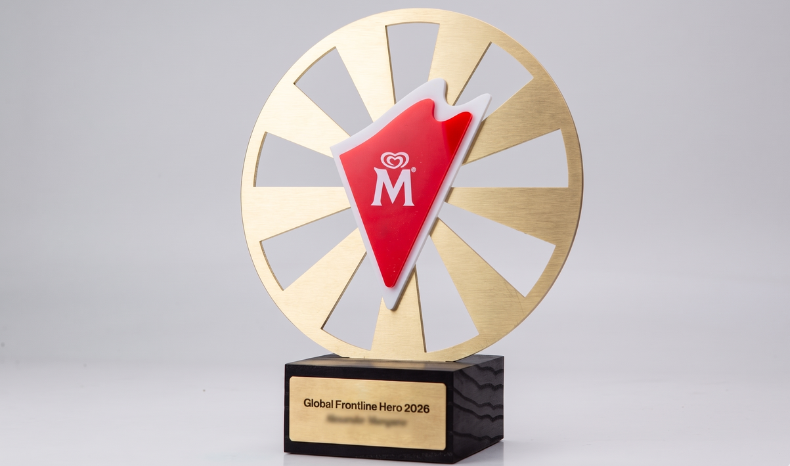
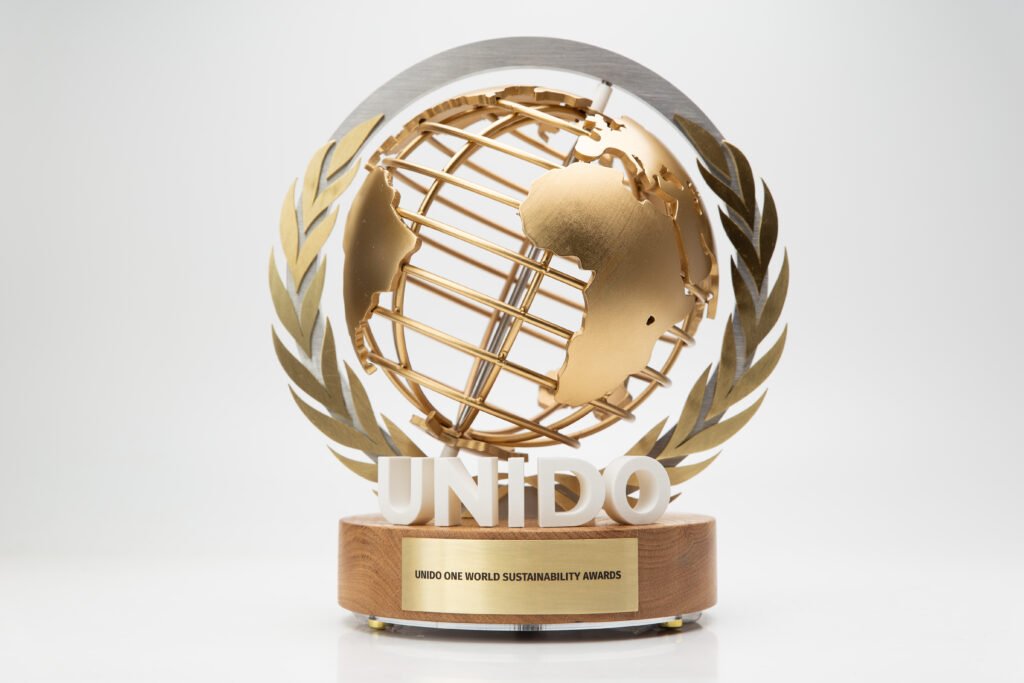
We recently designed and created this trophy for Magnum Ice Cream Company. The combined materials consisted of brass, local oak wood and recycled plastic, creating a luxurious and smooth aesthetic while still telling an interesting story that fit perfectly with the brand and their values.
Plastic and wood brings together the warmth of natural material with the innovation of circular design. Used well, this combination feels contemporary without being cold.
Wood and metal is a more classic pairing. Tactile and weighted, it works particularly well in awards where craftsmanship and tradition are part of the brief.
The key with mixed materials is intentionality. Each material should earn its place in the design. When the combination is arbitrary, it shows. When it’s considered and aligns with the design, the story, and the experience of holding the object, the result is an award that feels genuinely designed rather than assembled.
How to choose the right material for event trophies
There’s no universal answer to what the best trophy materials are. The right choice depends on several factors specific to the brief.
Event type shapes expectations. A sporting award carries different associations to a corporate recognition piece or an arts prize. The material should feel appropriate to the context. Not generic, but genuinely suited to the moment. More information about different event types: Custom event trophies: The complete guide to designing awards
Brand identity matters more than most organisations initially realise. An award is a brand object. The design should take into account brand guidelines that any marketing material would. Your award should tell your brand story as much as your website does.
Sustainability commitments are a real factor when it comes to choosing the right luxury trophy materials. Designing an award gives you an opportunity to communicate these commitments to your staff, customers and the wider world in a very visible and tangible way. Choosing a recycled or reclaimed material sends a clear signal within your industry.
Location of your event is often an overlooked factor. While it may not seem important, the material can say a lot about whether an event is ‘indoor’ or ‘outdoor’. Metal, for instance, is often associated with corporate or sit-down functions, along with glass or crystal. Not because these are more luxurious, but because the atmosphere doesn’t necessarily call for a sculpture piece, in the same way a stadium event might. Location isn’t the deciding factor, but it’s an important part of the narrative when choosing a trophy material.
Budget is a practical consideration, but it’s worth understanding that the ROI of the investment isn’t always measurable. Are you designing an award to be seen and displayed, or one to go in a drawer? A high quality design will bring with it a sense of pride, conversations and priceless value. Longevity should always be a consideration. A high-end award is a long-term object. The trophy material options should be chosen with decades in mind, not just the moment of presentation.
Looking for more information about project specific materials? Read our guide on custom trophy design.
Sustainable materials for high-end awards and trophies
The term “eco-friendly” is used loosely in the awards industry – a hard but honest truth.
A wooden trophy isn’t automatically eco.
A trophy described as ‘natural’ isn’t necessarily sustainable.
Without transparency about sourcing, processing, and manufacturing, these are marketing claims rather than verified facts.
What genuinely makes an award material sustainable comes down to a few clear questions: where did the material come from? How was it processed? How far did it travel? And what happens to it at the end of its life?
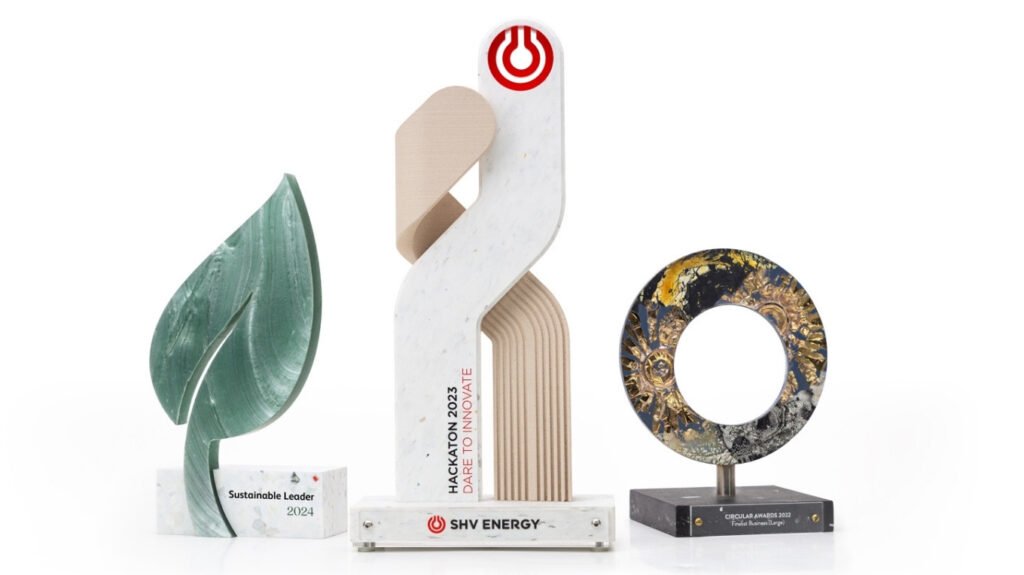
Recycled materials address some of this. They divert waste from landfills and reduce the need to create more. The environmental savings depend on the material and the process, which is why transparency matters.
Reclaimed and repurposed materials go further still, often requiring less processing and carrying a more specific and traceable story.
Design that stands the test of time is probably the most important aspect of sustainable award design. An award that lasts fifty years on a shelf has a fundamentally different environmental footprint than one that ends up discarded after a year. Durability is sustainability.
At Upstream Trophies, we document all of this through our material passport, articles, website, and social media. We make it so that sustainability isn’t a claim, it’s a record.
Interested in sustainability and trophy design? Read our sustainable awards page.