







Padel is one of the fastest-growing sports in the world, and tournaments are quickly becoming a key part of the culture around the game.
Organising a padel tournament can be a fantastic way to bring players together, build a local community and create an exciting sporting event.
However, planning a successful padel tournament requires careful organisation, from choosing the right format to scheduling matches and recognising the winners.
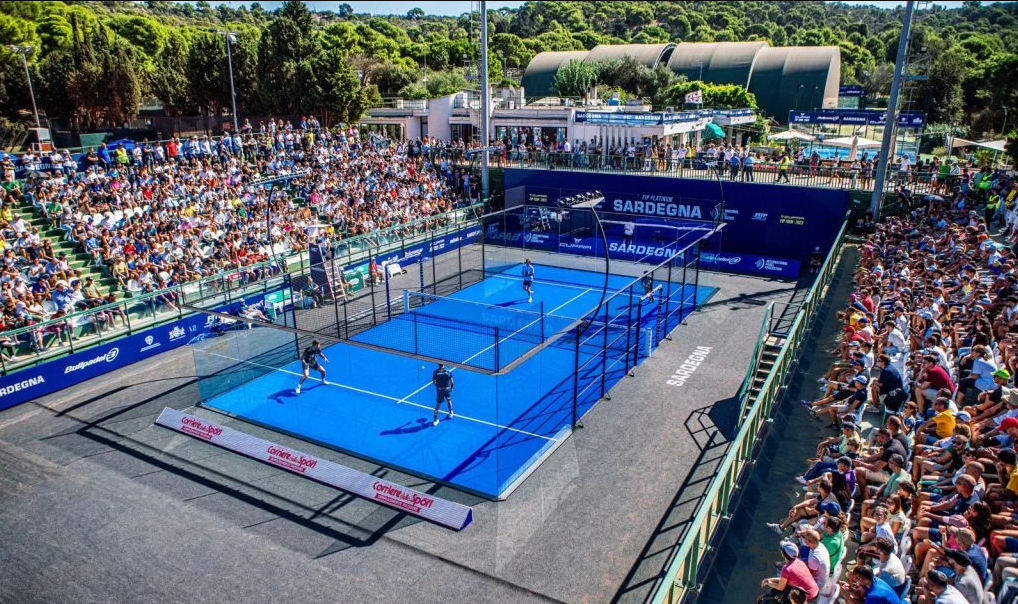
How to organise a padel tournament
Broken down into smaller steps, organising a padel tournament is something anyone can achieve.
Your first action is to stick feelers out and get a rough estimation of numbers of players. This will help you plan ahead.
You want to choose a tournament format – knockout, round robin or otherwise – and secure a venue that will suit your format and attendee number.
Another early task to complete is setting up the registration process for athletes to sign up. This way, you can focus on marketing and promoting your tournament, sending information, and posting links on social media.
Usually, your local federation will have rules and regulations to abide by – and you may need to apply for permits. The organisation may have specific tournament rules you need to follow in order to host.
Once you’re able to consider and communicate the rules, you can decide on the awards you are going to present (e.g. MVP, overall winner, runners up etc.) and begin the search for a trophy worthy of your tournament.
In the article below, we break each of these steps down in more detail.
What is a padel tournament?
Considered one of the world’s fastest-growing sports (much like pickleball), padel places a strong emphasis on strategy and teamwork.
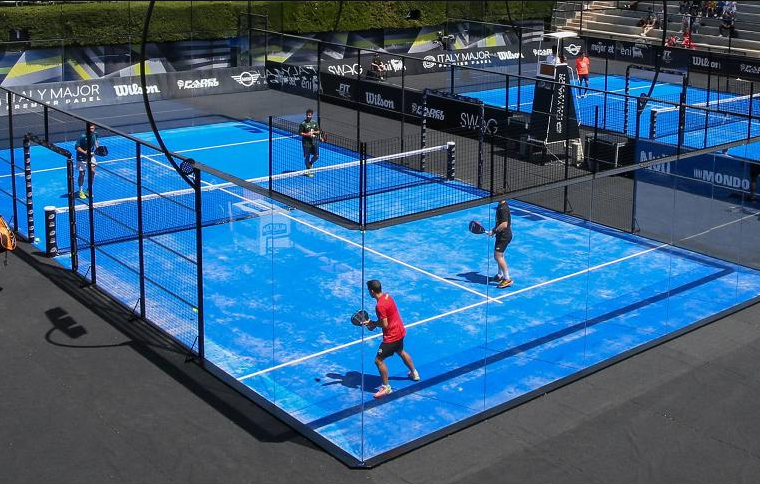
Padel is always played in doubles, and on a court enclosed with glass and mesh walls. Using stringless rackets, players must hit the ball after it bounces on the floor and return it to the other team.
Because it’s easy to learn and fun to play, padel attracts players from a wide range of skill levels and backgrounds.
Its doubles format allows for new players to learn strategy from someone more seasoned, and integrates people into the padel community easily.
Sports clubs and padel clubs often use padel tournaments as a way of attracting new members and networking among like-minded people.
Whether it’s for fundraising or community initiatives, a well-organised padel tournament is a great way to bring people together.
Why are padel tournaments growing in popularity?
With more than 25 million players across 110 countries, padel is one of the fastest-growing sports in the world. In the past five years, the number of padel courts has increased by 400%, and experts suggest that the US player pool will double to 10 million by 2030.
With such rapid growth, leagues have emerged for every skill level. In the US, the Pro Padel League (PPL) is where the top players compete. The National Padel League (NPL) is the largest circuit of amateur padel teams, with tournaments held across 37 cities.
Major US tournaments include:
- US Open Padel Championships
- Miami Premier Padel P1
- USA National Team League
Other notable tournaments from around the world are:
- Premier Padel is a worldwide tour featuring 26 tournaments across 18 countries, the 4 majors (elite) being Italy, Paris, Mexico and Qatar. Red Bull TV usually covers all matches.
- The Padel World Championship features national teams and is held biannually.
- The Hexagon Cup is held in Spain and features teams ‘owned’ by teams of celebrities (e.g. Eva Longoria, Andy Murray, etc.).
The sport has grown so quickly that businesses are now organising corporate padel tournaments to encourage team building and networking.
With it being such a high-energy and social sport, the right tournament format can be hugely effective when it comes to getting co-workers moving and collaborating.
How many teams should a padel tournament have?
Below is a rough guide to team numbers depending on your padel tournament size:
Small tournament: 8 teams
Medium: 16 teams
Large: 32 teams
The size of your teams will help you choose which padel tournament format to choose.
It’s a good idea to get a vague idea of competitor numbers fairly quickly, as this will also influence your venue, budget, and most other aspects of your tournament.
Choosing the right padel tournament format
Choosing the right padel tournament format depends on the type of event you want to run. Some are more social and have a better networking impact, while others focus solely on competition.
Below we’ve listed some formats that may appeal to you when organising your tournament.
Knockout tournaments
As a high-stakes elimination format, knockout tournaments bring plenty of intensity and competition.
Teams are chosen automatically or manually, and the winners of each match go on to the next round, while the losers are ‘knocked out’ of the tournament.
This format works well for fast-paced competitions where the main goal is to crown a clear winner.
Round robin tournaments
Round robin tournaments create a more relaxed atmosphere, but they can still be highly competitive.
Round robins maximise play time and have an increased networking aspect to them, with guaranteed multiple matches that help build community through socialising.
This padel tournament format works well for friendly community groups of all skill levels, because everyone gets a good amount of time on the court. The main downside is that round robin tournaments typically last longer than knockout formats.
Group stage
With a large pool of players, the group stage padel tournament format helps to make the fun more efficient.
Teams get split into smaller groups, where they will play a mini round robin tournament within their group. The winners of the round robins will then progress into knockouts.
This padel tournament format guarantees a good amount of play time per team while also benefiting from the exciting and competitive nature of a knockout tournament.
Mixed doubles
Playing mixed doubles requires an emphasis on strategy over power. This padel tournament format works effectively for corporates because of the more relaxed atmosphere fostered.
This highly social, inclusive format benefits from improved adaptability from the players and focuses on collaboration and a thought-through approach.
While there are different ways to run padel tournaments, the rules for each format remain largely the same.
Key rules to consider when running a padel tournament
When hosting, knowing the rules for your padel tournament is essential. Having a clear structure allows participants to let loose and focus solely on what they want to get from the game.
The tournament winner will depend on the format you choose. Round robin events may focus on individual points to assess an overall winner, while knockout events will award the winning team.
Point-keeping and tiebreakers in a padel tournament
First, it helps to understand that padel scoring is very similar to tennis:
7 points = 1 game
6 games = 1 set
3 sets = 1 match
The winner of the match is the team that wins two sets. A set is won by achieving a two-game lead (for example, 6-4 or 7-5).
The winner of the game is whoever wins a two-point lead (moving to a tiebreaker if the score reaches 6-6).
Matches are played as best-of-three sets, with each set made up of six games.
Court rotations
Court rotations are also part of the padel tournament rules to help keep the game fair, ensuring no team has an advantage due to unmanageable conditions such as sun and wind.
Teams switch ends of the court at the following intervals:
- Odd-numbered games
- End of a set
- Tie break (switching every six points)
The golden point
The golden point is a padel tournament rule used in some formats where, during a tiebreaker, the 2-point advantage rule is dropped and the next point decides the game.
This is used in some cases to speed up play. This rule is often used in larger tournaments to reduce long tiebreaks and keep matches moving.
So, to summarise padel tournament rules:
The golden point will help speed up a tournament
Match scoring depends on the format you choose
There are 6 matches in each set. There are 3 sets.
The first team to reach 7 wins the match.
Each match must be won by 2 clear points.
A tiebreaker will begin if a score of 6-7 is reached until one team wins by gaining a 2-point lead.
Teams switch sides of the court every odd-numbered game. They also switch sides when a match proceeds to a tie-break and swap every 6 points.
Planning and organising a successful padel tournament
Legal and administrative obligations: Organising a padel tournament also involves some administrative steps. Ensure you’ve got the right permits and have been in contact with the local authorities to find out the regulations you need to adhere to. You will need insurance to cover any risks of injury, accidents and liability during the tournament.
Choosing a venue: Good quality padel courts can be few and far between in some regions, so booking in advance and taking a tour before you book are both great ideas. Consider how many teams you want to accommodate and how long the tournament should run.
Registration process: Creating a simple registration process with Google Forms or similar allows people to easily register while also helping you keep up with the number of participants.
Padel tournament rules: Choose a format for your tournament and then establish clear rules that are in line with regulations and visible to the participants. Include entry criteria, match duration and dates, and any sub-categories (i.e. age).
Recognition with a padel or tennis authority: In order to be recognised, a tournament must register with the relevant federation. These applications can usually be made online on the organisation’s website.
Food and drink: Decide how you want this to be organised. Do you want food and drink free for participants? Do you want spectators to be able to buy from a selection of food trucks? Consider all dietary requirements.
Marketing your padel tournament: A great tournament relies on great comms leading up to the event. Create a webpage or event page using the terms ‘padel tournament’, ‘padel doubles’, ‘sport competitions’ and so on. Send invitations to known padel players and reach out to padel and sport influencers to promote your event. In the lead up to your tournament, you want to be posting content that appeals to your target market: blogs about padel equipment, posts about padel news etc.
Cost of organising a padel tournament
Having a budget in mind when planning your tournament is a good idea to ensure you’re pricing your entry correctly.
Some very basic padel tournament costs include:
- Court rental
- Equiptment rental
- Spectator stand rental
- Staff costs
- Logistic fees (transport, construction, removal etc.)
- Lighting
- Food and drink (if providing)
- DJ and entertainment
- Awards such as padel tournament trophies and medals
On the flip side, you can also include prospective income in your budget:
- Sale of food and drink
- Players entry fees
- Spectator tickets
- Sponsors
- Local authority grants
- Local sports services support
Padel tournament prize ideas
Besides the obvious, there is a host of recognition opportunities you can award to players at your tournament.
The benefit of having additional awards is that more players feel included and can increase return players for when you plan to run your tournament again. From runners-up to standout players, you can recognise their impact and achievement without taking away from the overall tournament winner.
Some ideas include:
- Winner and runner-up awards
- MVP or standout player awards
- Best sportsmanship
Fun awards for social tournaments
If you’re running a large tournament, you can include tournaments for early knock-outs, so people can enjoy the fun until the event comes to a close. This is also a great opportunity to promote networking and provide value where other tournaments may not.
Choosing the right padel tournament trophy
Once the matches are complete, recognising the winners is an important part of the tournament experience.
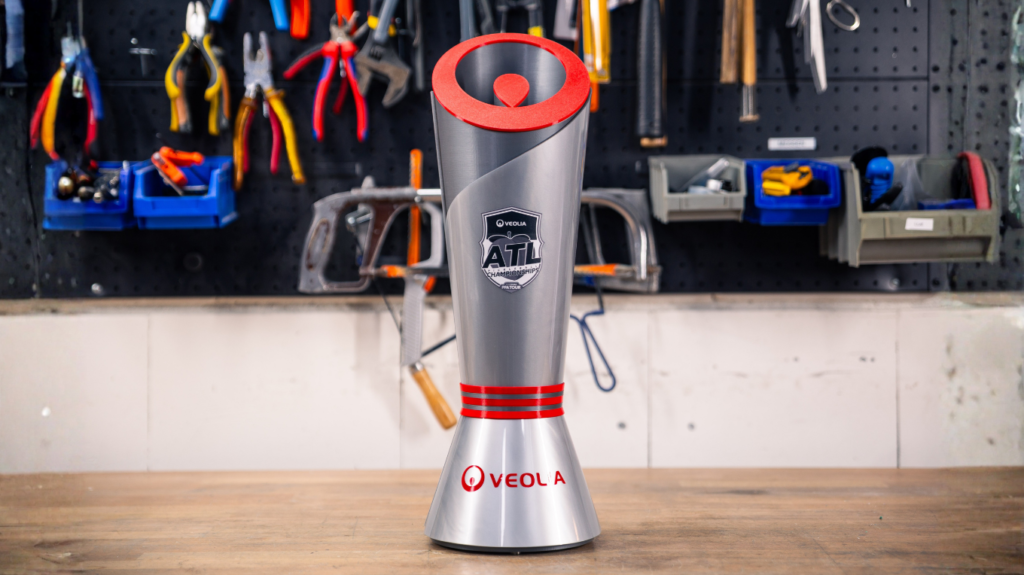
Trophy size and design
A direct reflection of the prestige of the award, the trophy design will embody the story you want to tell. Is your tournament a high-end but modern approach to padel? Is it a whimsical and fun day out?
The shape, lines and overall design of a trophy can play a big role in how memorable your tournament feels.
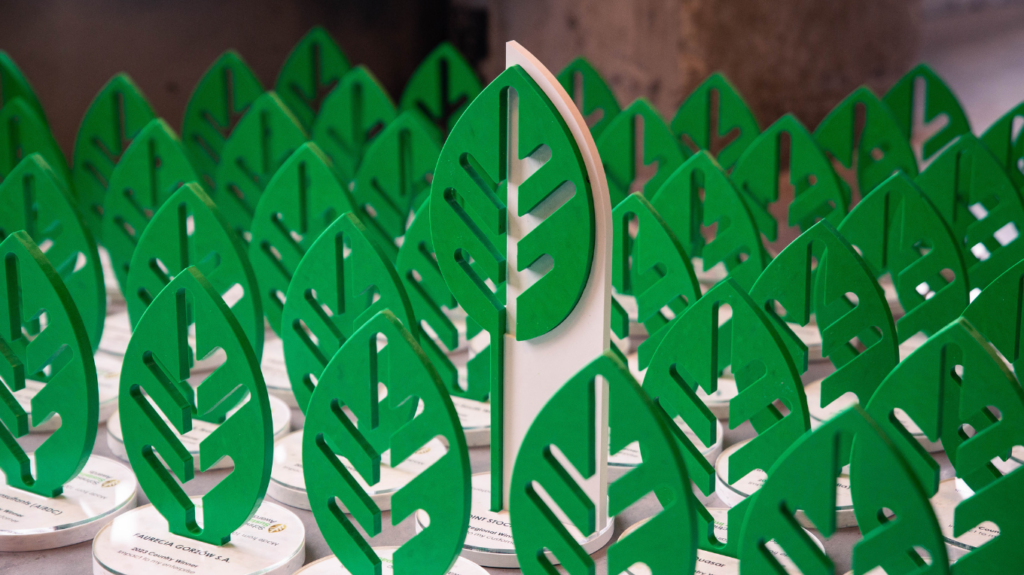
Sustainability is also becoming more important in sport. There are initiatives signed by huge sports clubs, pledging to reduce carbon emissions and preserve the environment for sports as much as possible.
Many tournaments now choose responsibly sourced trophies to reflect these values. Presenting an off-the-shelf, mass-produced trophy may not display the message you want your tournament to convey.
Custom engraving
The above point is punctuated even more with the fact that your brand – or even your name as an organiser – will be present on the trophy forever.
All great trophies are customisable with engraving. Adding the name of the sportsperson and the name of the event they won is a great way to secure the memories in that player’s mind – especially when professionals will likely play multiple tournaments a year.
Medals v trophies
Medals are often awarded to winners. We see this in sporting events such as the Olympics. However, for an event where there is one overall winner, a trophy is undoubtedly your best bet at creating a sense of award hierarchy.
At Upstream Trophies, you are even able to order runner-up trophies that emulate the design of the overall winner trophy, providing continuity through the awards. Not only does this not take away from the winner’s trophy, it also increases the significance of the award by making the progression visible.
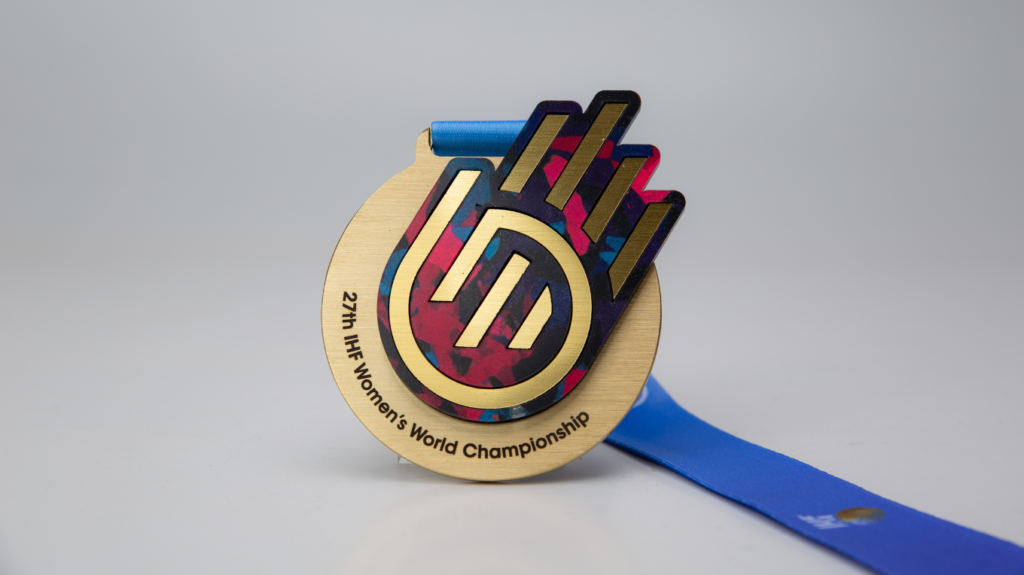
Medals can be reserved for token awards, such as MVP, best sportsmanship, or best in set, as these still hold importance for both your tournament and the receiver of the medal. Medals are wearable and more visible than trophies, which are often left on a table for viewing. Medals, therefore, provide a great marketing opportunity for your tournament, as they will be visible throughout the competition.
Final tips for hosting a successful padel tournament
Organising a padel tournament may seem complex at first, but with the right planning, it can be a hugely rewarding event.
Some key points to remember from this article include keeping things simple for your participants. Make sure the schedule is easy to follow, signpost the venue, and communicate with your players.
Make sure your tournament is well-organised, but also fun. This can be a tough balance to strike, so give yourself plenty of time to plan it and have a great team of experts to delegate to.
The social aspect is important. Players are paying for their entry to the competition, but providing value beyond this is important.
If they don’t make it past the first round, your aim should be keeping them at your tournament for as long as possible as a spectator or in friendly games. This is essential to maintaining a busy and social atmosphere.
Finally, make the awards ceremony a real moment in the event.
Whether it’s at a dinner or on a stage, you want the winners and the runners-up to feel that this is the climax of the tournament, the cherry on top of the cake.
Padel tournament planning checklist
A simple padel tournament planning checklist:
- Legal and administrative (regulations, permits, licences)
- View and choose a venue
- Choose your tournament format
- Register your player via a form
- Communicate the tournament rules
- Register for recognition with a padel federation (optional for bigger events)
- Organise food and drink
- Marketing
- Order padel trophies and awards
- Create a budget
If you’re looking for more information on how to get your padel tournament trophy just right, get in contact with our trophy design experts for advice from experienced professionals.
Frequently asked questions about padel tournaments
How many players are needed for a padel tournament?
You will want 8 teams or more (16 players).
What is the best format for a padel tournament?
This depends on your tournament requirements. Knockouts are more effective for larger tournaments, as the finals will approach faster and it’s more competitive. On the other hand, round robin padel tournaments allow each player to have a longer experience, so this is usually best-suited to tournaments with a smaller pool of players, or more friendly competition.
How long does a padel tournament last?
The length of a padel tournament depends on the number of teams and the format. A large team tournament played as a round robin would last longest, while a small team tournament played as a knockout would be fairly quick.
What prizes are given in padel tournaments?
Trophies, medals and plaques are all awarded at padel tournaments. Sometimes they also include a cash prize depending on the prestige of the tournament.