







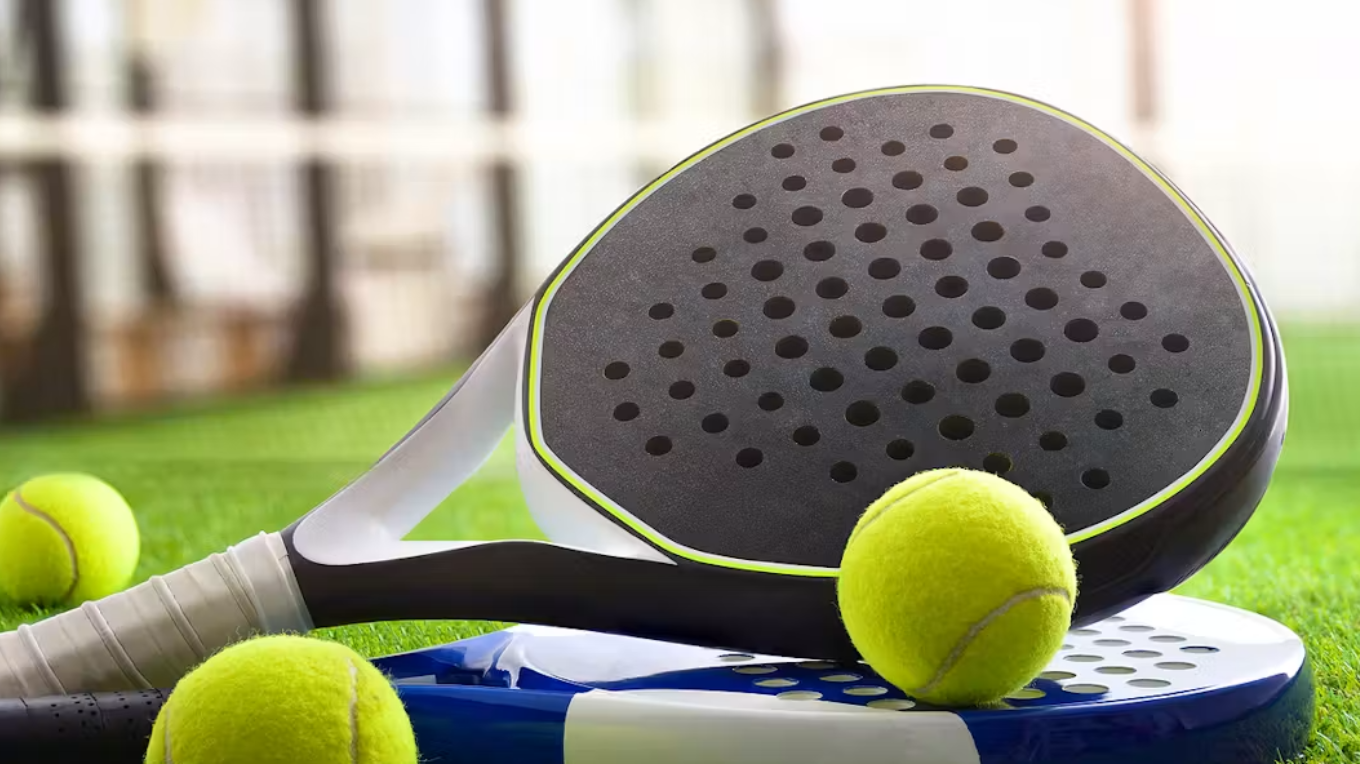
Sport is an increasingly effective way to generate revenue – and padel is no exception. When the game was first created, it’s unlikely the question “How do we monetise padel?” was at the forefront of its founders’ minds.
But whether intentional or not, padel has rapidly risen in popularity, becoming a compelling alternative to tennis and a proven way to drive revenue within sport.
Why padel is built for profit
As a sport for all ages, it’s no surprise that padel is considered highly sociable. With each court accommodating four players, it creates an appealing opportunity for like-minded people to connect.
However, high player density also presents a clear commercial advantage. More players in a smaller space can translate to either reduced overheads or increased income – or both. This is one of the key reasons why padel represents such an attractive business model.
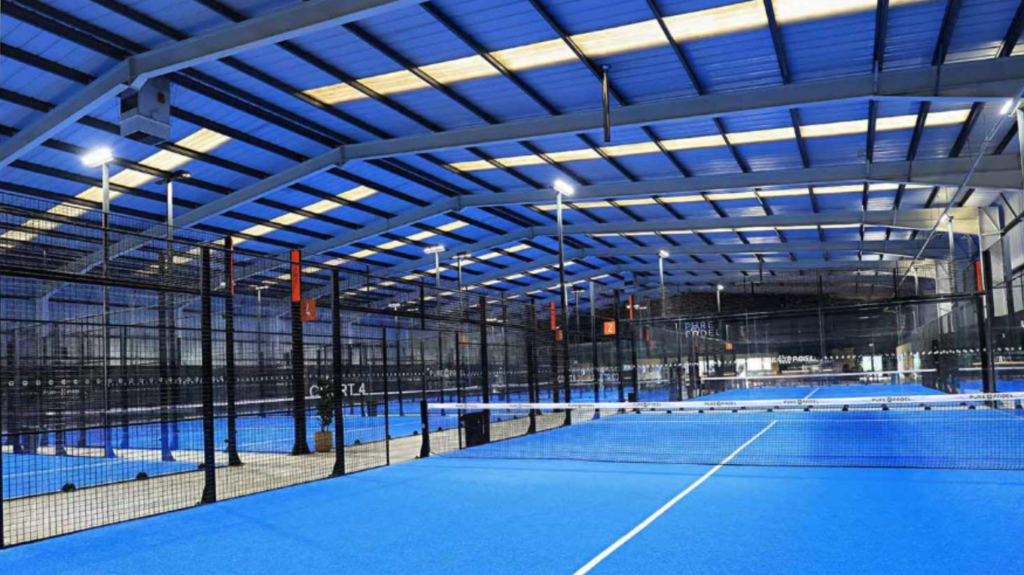
In fact, a traditional tennis court can accommodate up to three padel courts, with each padel court hosting double the number of players. That means for every two tennis players, you could have up to twelve padel players in the same footprint. It’s no wonder padel is fast becoming both a social and commercial hub.
Money-makers in padel
So, we’ve established why padel can outperform tennis commercially – but what specifically makes it so lucrative?
Court booking prices vary widely. Public courts may charge around €20 per hour, while private venues can command upwards of €80 per hour during peak times.
While pay-as-you-play models can generate strong hourly revenue, many clubs also offer subscription-based memberships. These typically provide discounted or included court time, creating predictable, recurring income.
For example, London-based clubs often charge around €30–€40 per month, offering benefits such as booking discounts and priority access. Many venues operate at full capacity, with waiting lists that further highlight the sport’s demand.
Additional revenue streams include:
- Weekly leagues
- Social tournaments
- Entry fees
- Repeat participation
- Food, drink, and hospitality
- Community-led events
Leveraging competition is a particularly effective way to build both revenue and brand identity. Padel already has the audience – it simply needs structure to maximise its commercial potential.
Successful clubs don’t stop at court bookings. From leagues and tournaments to private parties and social events, these experiences drive both engagement and incremental revenue.

Corporate and private events: the untapped opportunity
Traditional team-building activities can often feel uninspiring. Padel, however, offers a dynamic alternative.
The game provides a natural focal point, reducing social awkwardness and encouraging organic interaction. Players engage through friendly competition, and post-match conversations flow more easily as a result.
This creates a more enjoyable and memorable experience – one that teams are more likely to repeat.
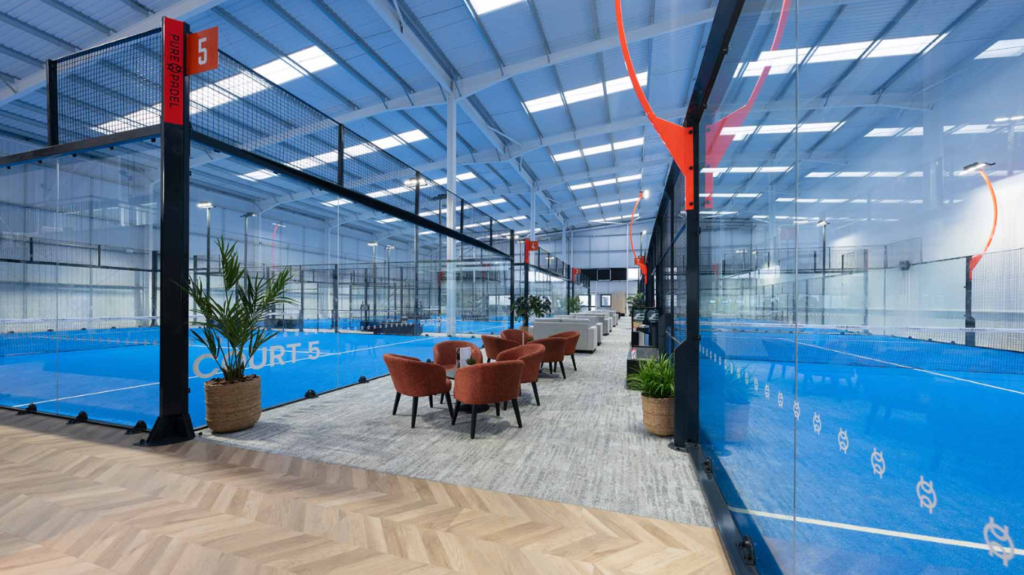
Corporate and private events also present high-value opportunities. These clients typically seek tailored packages, including premium service, extended court time, and quality food and drink.
Importantly, many will request structured competition formats – creating a valuable opportunity for clubs to introduce branded awards and recognition.
Events, competition, and the power of recognition
Turning events into tournament-style experiences allows clubs to introduce awards – adding a powerful psychological driver.
Receiving a trophy triggers the release of dopamine, reinforcing a sense of achievement and reward. This increases the likelihood of repeat participation and deeper engagement with the club.
Beyond the science, there’s a universal appeal to recognition. Trophies capture moments of success, create lasting memories, and serve as visible symbols of achievement.
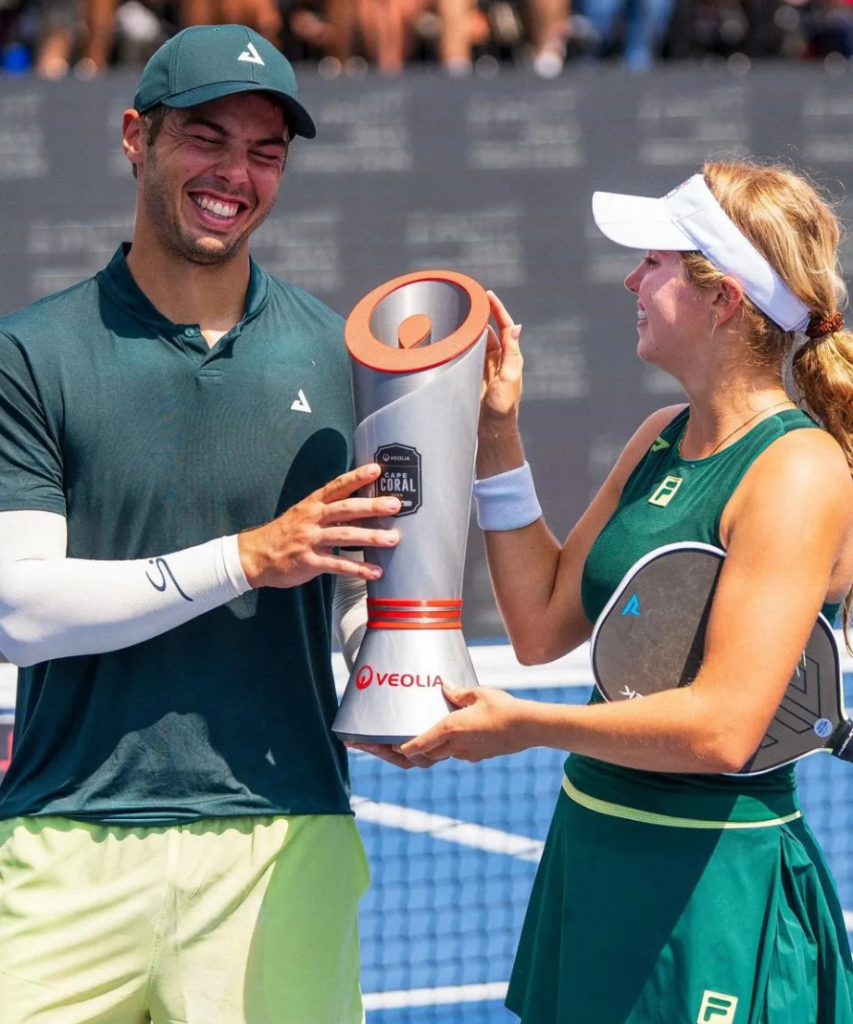
For clubs, this makes them more than just prizes – they become marketing tools. Every trophy represents an experience, a story, and a reason to return. And in a sport driven by innovation and a modern approach, generic trophies fall flat.
Clubs that invest in distinctive, sustainable awards create not just an object for a winner to hold, but a story players want to share.
For operators, trophies create an additional revenue layer. Entry fees tied to competitive formats can be positioned alongside premium prize offerings (and premium trophies), where the perceived value of the trophy enhances the perceived value of the event itself.
Tiered tournaments – such as beginner, intermediate, and elite divisions – can each feature distinct awards, creating multiple touchpoints for recognition while increasing participation across skill levels.
Customisation also plays a key role. Branded trophies that incorporate club identity, event naming, or sponsor recognition can elevate both the player experience and the club’s professional image.
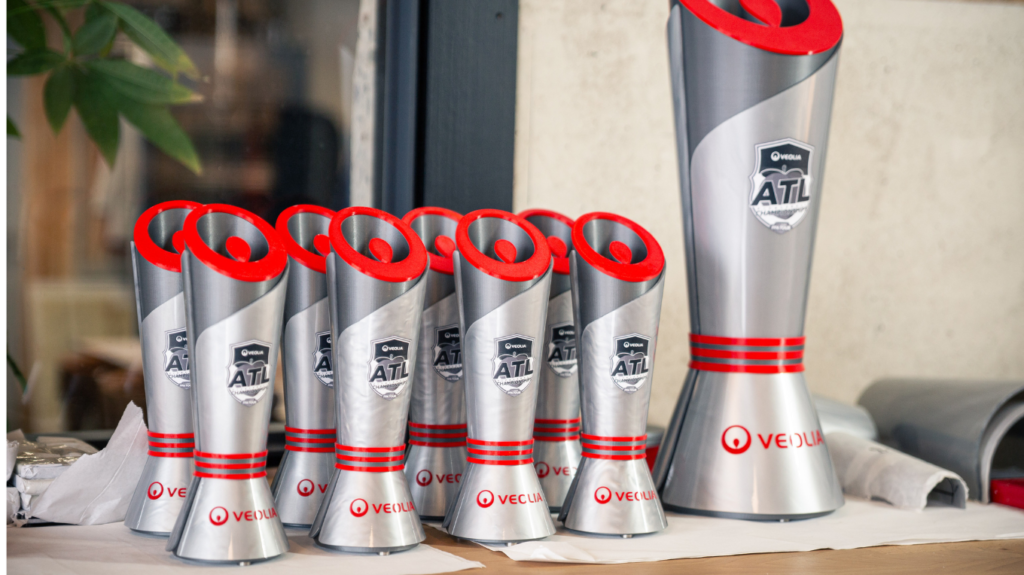
In this way, awards are an investment in player retention, brand differentiation, and repeat revenue. Along with awarding the winner, they carry the event further, providing a constant reminder of the tournament through social sharing, brand visibility and repeat sign-ups – directly increasing your bottom line.
For a modern sport like padel, it’s essential that awards reflect the energy and identity of the game. High-quality, well-designed trophies reinforce brand perception and elevate the overall experience. New sports and clubs need fresh ways to stay ahead, and many are leveraging forward-thinking concepts linked to creating a better future. Custom-designed awards made from reclaimed materials turn each trophy into a reflection of brand values, boosting presence in a niche way.
From courts to community: the long-term monetisation strategy
While this article is not really about trend-chasing, it is useful to understand that the growing desire for real-world connection (driven in part by digital exhaustion) has led more people towards social sport.
Padel has positioned itself perfectly to meet this demand. By combining accessibility, sociability, and competition, it has become one of the fastest-growing sports globally.
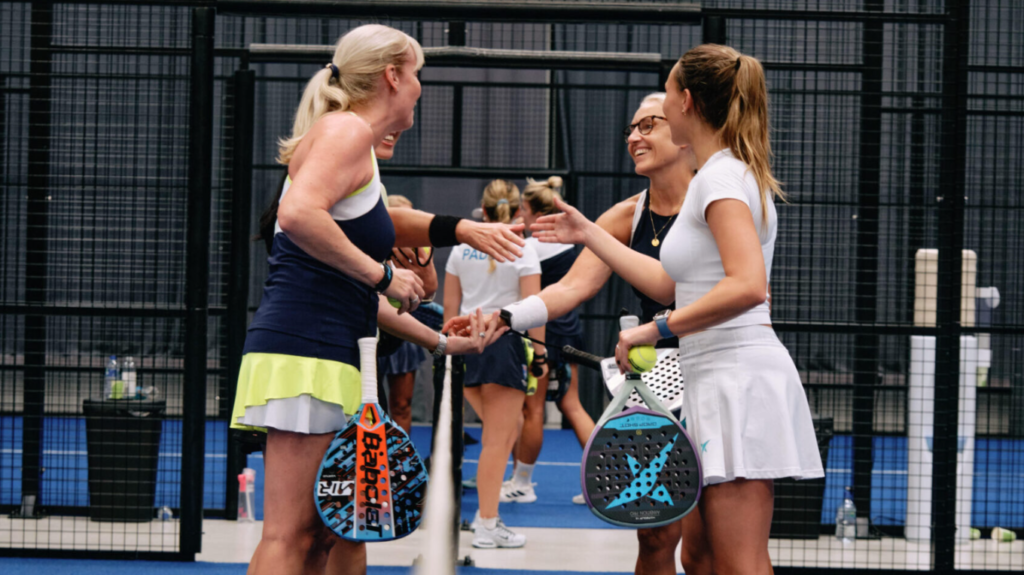
Successful clubs focus on building communities as well as filling their bookings. Whether through events, leagues, or social initiatives, the strongest brands create an environment that feels welcoming, engaging, and inclusive. That sense of belonging is what drives long-term loyalty, ultimately leading to sustained revenue.
Clubs that understand the value of recognition often come out on top by building experiences players want to return to.
Anyone for a game of padel?