







How to live sustainably is a question at the back of all of our minds – especially following the over-consumption holiday of the year.
Well, the buzz of Christmas now seems like a distant memory. 2026 is in full swing. Time feels slow, and fresh starts are possible.
While planning your goals for the year ahead, why not prepare for what is fast becoming one of the most popular and genuinely wholesome resolutions yet?

Sustainable changes: How to live more sustainably day to day
Sustainability is a word that once meant ugly, uninspired, or hand-me-down. Today, it carries a very different meaning. Modern sustainability can be elegant, simple, and inspired.
Just look at one of last year’s biggest Christmas décor trends: Dried oranges strung on hessian thread. Minimal. Timeless. Thoughtful. Proof that eco-friendly choices don’t have to sacrifice style.

The familiar phrases, “reduce, reuse, recycle” and “make do and mend” are no longer fringe ideas. In a world of overconsumption, they’re fast becoming expectations. People proudly share their latest Vinted finds, thrift hauls are celebrated online, and second-hand no longer feels second-best.
But making sustainable choices isn’t always straightforward.
Know when to throw: Reducing waste responsibility
Not everything can (or should) be saved.
The significant amount of labour required to sort, clean, repair, and re-commercialise unwanted items often goes unseen. When everything is thrown into the same donation bag without consideration, it creates bottlenecks for charities and resale platforms alike.
Items that are damaged beyond repair, heavily stained, or unsuitable for reuse slow the entire system down – costing time, resources, and money.
A more sustainable habit starts with conscious sorting:
- Donate what is clean and usable
- Recycle what can genuinely be processed
- Dispose of what cannot responsibly re-enter the system
Knowing when to throw something away is just as important as knowing when to keep it.
Make a switch: Choosing eco-friendly and circular alternatives
The uncomfortable truth about resale and sustainable alternatives is that they often cost more.
Repairing an item, choosing a refill system, or buying an upcycled product can be more expensive than buying something new. That’s why sustainability today often comes down to intentional consumer choice.
Switching doesn’t mean changing everything overnight. It means making small, thoughtful decisions where possible.
Brands like Miniml, which closes the loop by collecting and refilling its cleaning product packaging, or Seep, a producer of all-natural sponges, show how everyday products can support a circular economy.
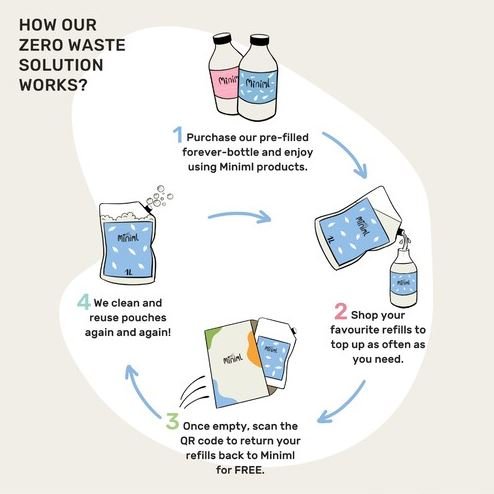
The same thinking applies across industries. At Upstream Trophies, we offer elegant, design-led alternatives to mass-produced awards, proving that eco-friendly choices don’t have to compromise on aesthetics or quality.
Progress doesn’t come from perfection. It comes from choosing better when you can.
Make do and mend: Repair before you replace
“Make do and mend” may sound like a cliché, but it carries real relevance today.
Originally popularised in the 1940s, the phrase wasn’t created as an answer to ‘how to live sustainably’ but rather reflects a mindset of care, repair, and longevity. Clothes were altered, furniture was fixed, and objects were valued for their usefulness rather than novelty.
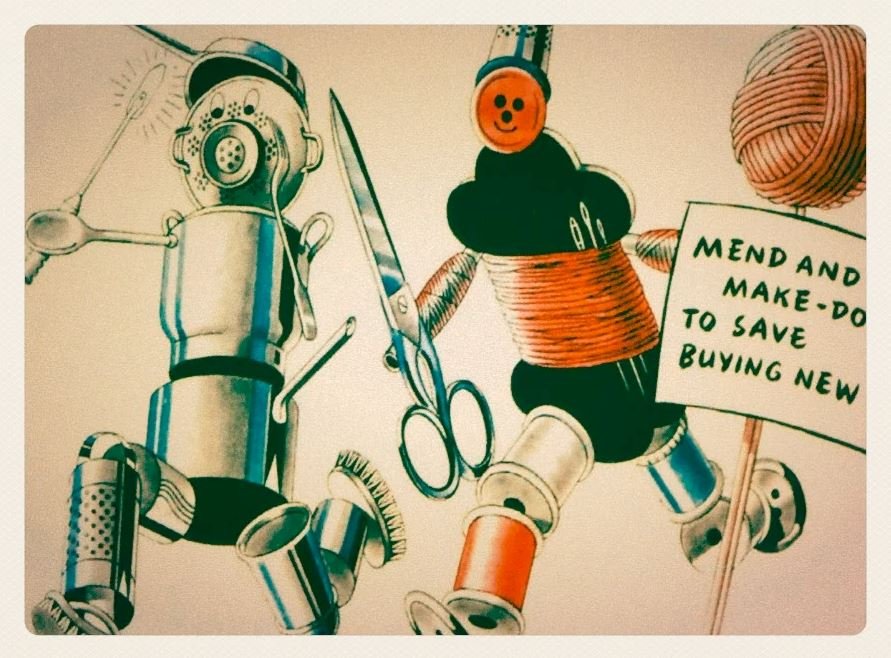
Today, with endless choice at our fingertips, mending has become an intentional act. Repairing before replacing – whether it’s stitching a seam or restoring a surface – can dramatically extend the life of an object and deepen our connection to it.
When asking how to live sustainably, choosing products designed to be repaired is proving to be one of the most effective solutions.
Shop second-hand: Thrift shopping for a more sustainable lifestyle
‘How to live sustainably’ can’t be answered without touching on charity or thrift shopping. There’s a certain joy in discovering something unexpected: a piece with history, character, and a story already attached.
From furniture and lighting to clothing and accessories, thrift shoppingkeeps materials in circulation and reduces demand for new production. Beyond environmental benefits, it encourages patience, creativity, and individuality – values often lost in fast consumption cycles.
Stay informed: How to avoid greenwashing
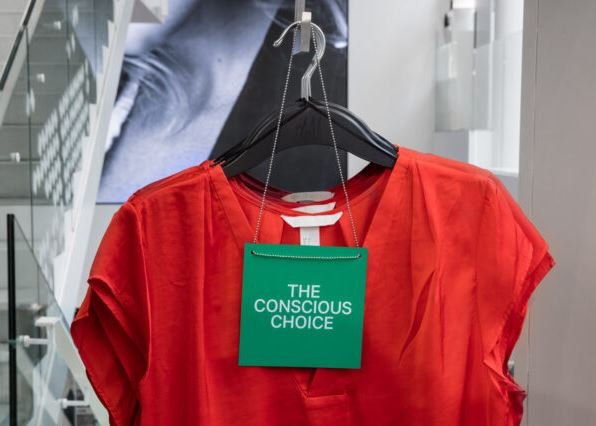
With sustainability now a selling point, greenwashing has become harder to avoid.
Labels like “eco”, “natural”, or even “100% cotton” are often printed on green tags designed to reassure consumers without telling the full story. In reality, producing just one cotton t-shirt can require over 2,000 litres of water.
Similarly, materials like bamboo are frequently marketed as sustainable, despite energy-intensive processing methods that significantly reduce their environmental benefit.
Staying informed doesn’t mean becoming an expert. It means asking better questions, reading beyond the headline claims, and valuing transparency over perfection.
Small changes, real impact: Building a circular mindset
There are many ways to make a meaningful impact without radically changing your lifestyle.
- Sorting donations carefully
- Buying fewer, better-quality items
- Repairing before replacing
- Choosing brands that are transparent about their processes
As a brand committed to measurable change, we reuse or recycle as much as possible into new awards. We’ve recently launched our trophy return program – a recycling service for not just our own trophies, but others too – transforming them into sheet materials used to create unique, quality awards.
This is another small change we have made to take a big step towards becoming a fully circular business.
Figuring out how to live sustainably isn’t about doing everything.
It’s about doing something consistently, intentionally, and with care.
And that mindset is a powerful place to start 2026.
Frequently asked questions
Living sustainably means making choices that reduce harm to the environment while supporting long-term social and economic well-being. This includes eco-friendly habits, mindful consumption, repairing items where possible, and supporting transparent, responsible brands.
You don’t need to overhaul your lifeto figure out how to live sustainably. Small changes such as thrift shopping, repairing before replacing, sorting waste correctly, and choosing eco-friendly products can have a meaningful impact over time.
Yes. Thrift shopping keeps items in circulation for longer, reduces demand for new production, and supports a more circular economy. It’s one of the most accessible ways to reduce environmental impact.
Greenwashing happens when brands exaggerate or misrepresent their sustainability claims. To avoid it, look for transparency, specific language, and evidence-backed claims rather than vague terms like “eco” or “green”.
The circular economy focuses on keeping materials in use for as long as possible through reuse, repair, and recycling. This reduces waste, lowers demand for new resources, and supports long-term sustainability.
Not always. Eco-friendly claims should be backed by transparency. The most sustainable choice is often buying less, choosing quality, repairing items, and supporting brands that clearly explain their materials and processes.