







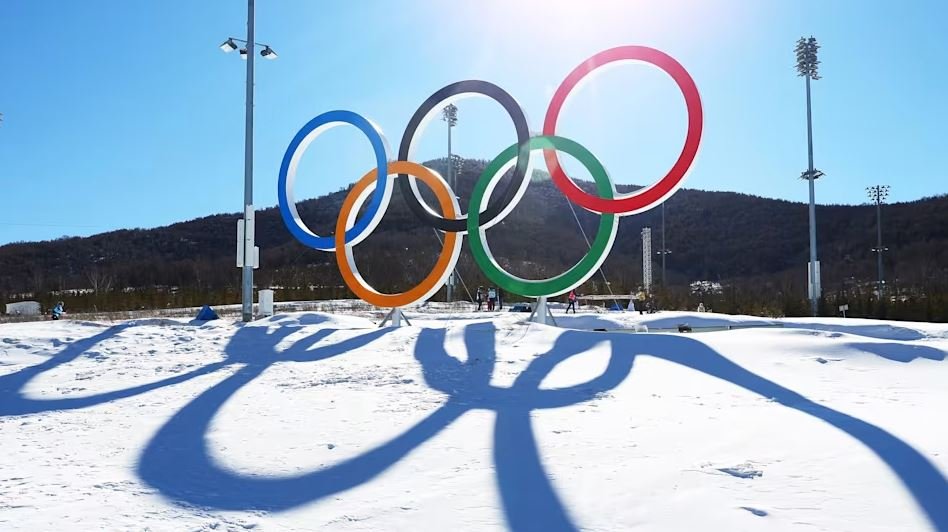
2026 Winter Olympic medals: Design
Each year, the awards at the Olympic Games are reimagined to symbolise not only the event, but also a global attitude. The 2026 Winter Olympic Medals are no different.
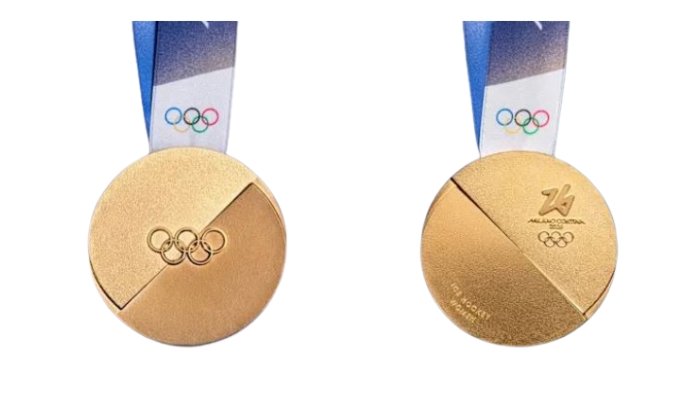
Maintaining the minimal trend that we’ve seen in recent years, the Olympic medal design at first glance looks simple.
Looking closer, you can see two halves, each half celebrating the “power of differences”, becoming one “to create a bold, unified statement”. (source: Milano Cortina 2026)
It’s no secret that a huge theme of the Winter Games this year is sustainability, with warming temperatures making it more difficult than ever for host cities.
The Milano Cortina Olympic medal design has its own part to play in answering this issue.
The medals this year have been created from the production waste of the Italian State Mint – offcuts of metals recycled into glorious Olympic awards.
Not only that, but the furnace they were cast in? Powered entirely by reusable energy.
This thoughtful design shows how trophies and awards can be part of the solution and remain just as beautiful as ever.
A brief history of Winter Olympic medals
The Winter Olympics have existed for just over a century, beginning in 1924 in Chamonix, France. From the very start, the game not only harnessed a competitive atmosphere but also highlighted the destination and the relationship between human performance and extreme environments.
The first Winter Games introduced sports that reflected this setting, including speed skating, ski jumping, curling, and bobsleigh, alongside ice hockey and figure skating, which had previously been featured in the Summer Olympics. In total, there were 16 medals to compete for.
Today, the scale has undergone a dramatic shift. The 2026 Winter Olympics in Milan and Cortina d’Ampezzo will welcome more than 3,500 athletes competing for 195 Olympic medals.
What hasn’t changed is the role of the medal itself: a physical marker of a fleeting moment, designed to endure.
Winter Olympic medals through the years
Unlike the Summer Games, which shared a standardised medal design for several decades, Winter Olympic medals have always been treated as unique design commissions.
We’ve collected together all the Winter Olympic medal designs below, with a brief description of special or interesting features:
(source: olympics.com)
Chamonix 1924
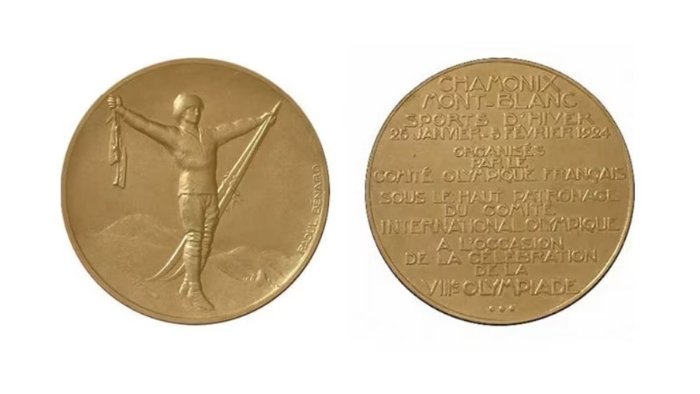
Since then, each edition has added a new chapter to the story of Olympic medal design, culminating in the pared-back, conceptual approach seen in recent Games and carried forward by Milan Cortina 2026.
St Moritz 1928
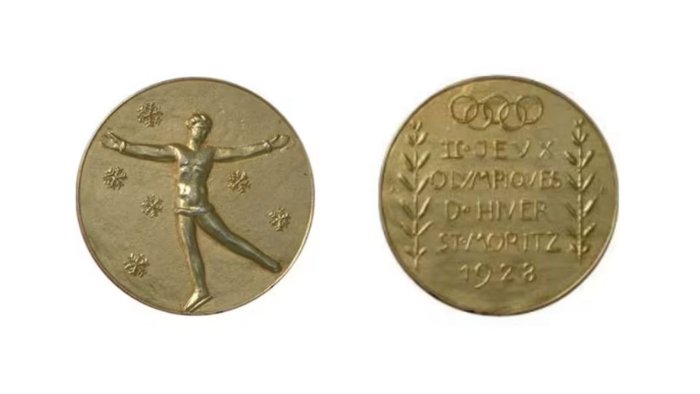
This medal depicts a figure skater on the front with the words ‘II Jeux Olympiques D’hiver St Moritz 1928’ (2nd Winter Olympic Games St Moritz 1928).
Lake Placid 1932
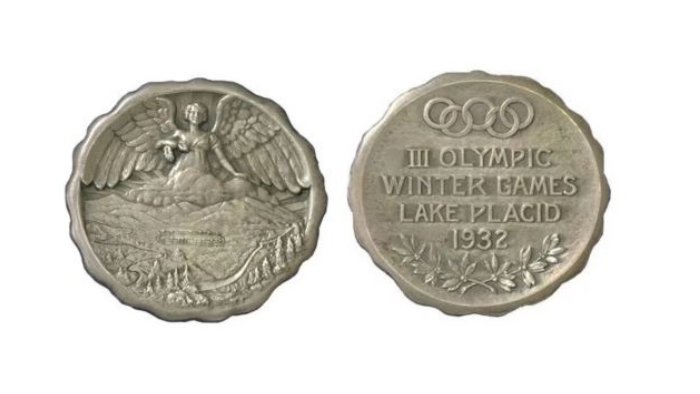
The first Lake Placid Olympic medal design features a scalloped edge, inspired by the cross-section of an ancient column.
Garmisch-Partenkiurchen 1936
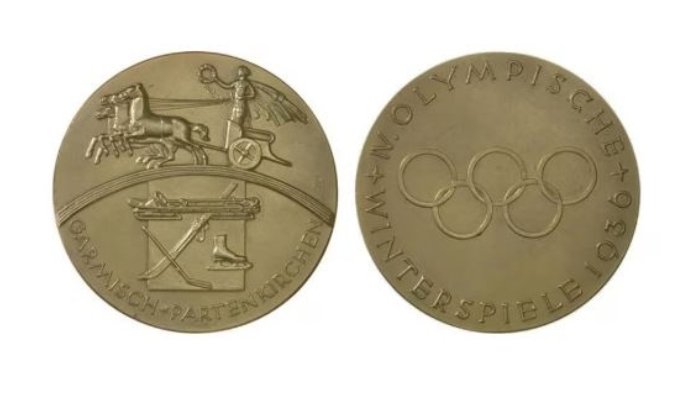
A 12-year break followed this Winter Olympic tournament, with the games resuming post-WW2 in 1948.
St. Moritz 1948
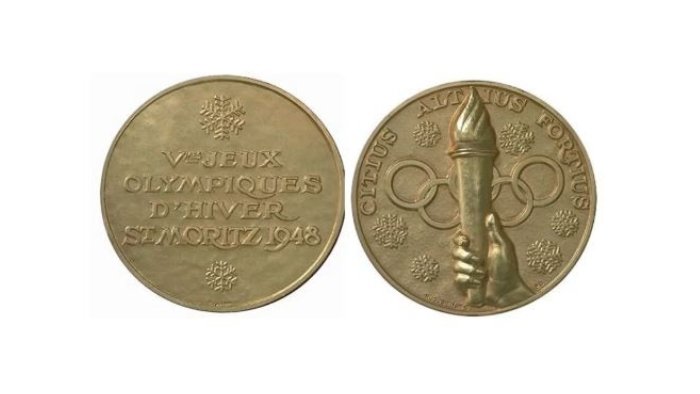
St Moritz was the first Winter Games location to host the games twice. Cortina will be the fourth location to host twice.
Oslo 1952
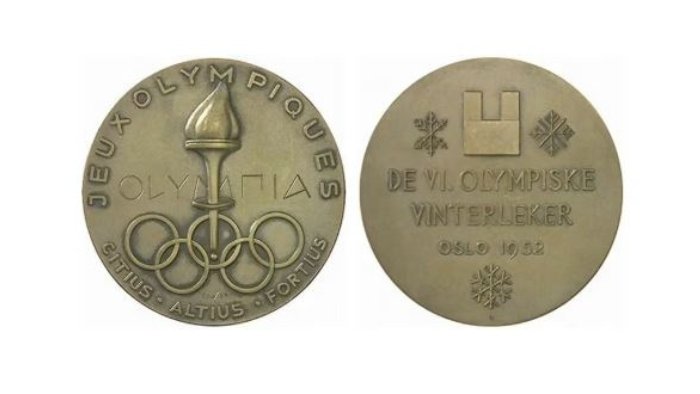
Oslo, Norway hosted in 1952. The front of the medal depicts the Olympic Torch, mirroring the previous medal and a major feature of the Summer Olympic medals.
Cortina d’Ampezzo 1956
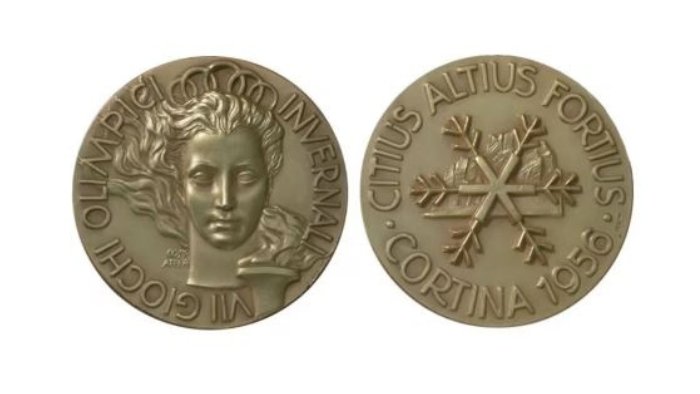
The first time Cortina d’Ampezzo hosted, the Olympic Medal design featured the head of a woman crowned with the Olympic rings.
Squaw Valley 1960
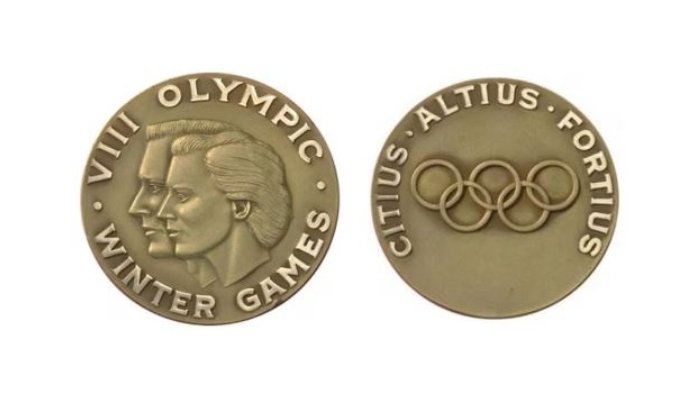
A total of 60 medals were created this year, featuring the heads of a man and woman on one side and the Olympic rings on the other. A space was left below to inscribe the names of winners.
Innsbruck 1964
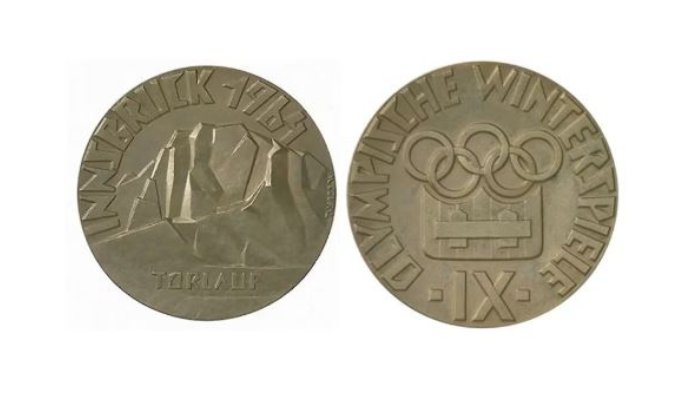
Featuring a modern font-type, the 1964 Olympic medal design depicts an Alpine mountain face.
Grenoble 1968
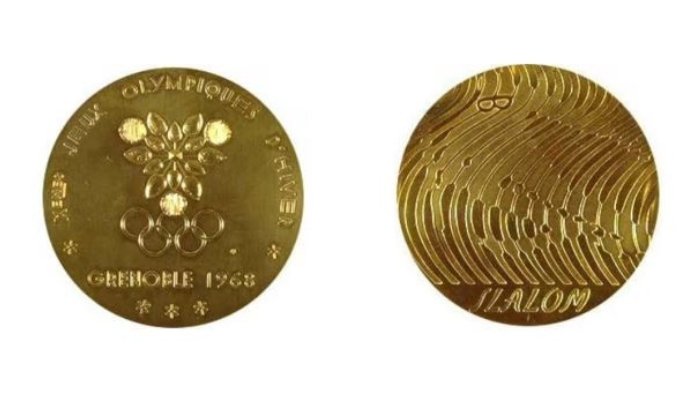
For the first time in Olympic history, a different medal design was created for each sport for the 1968 Grenoble Winter Games.
Sapporo 1972
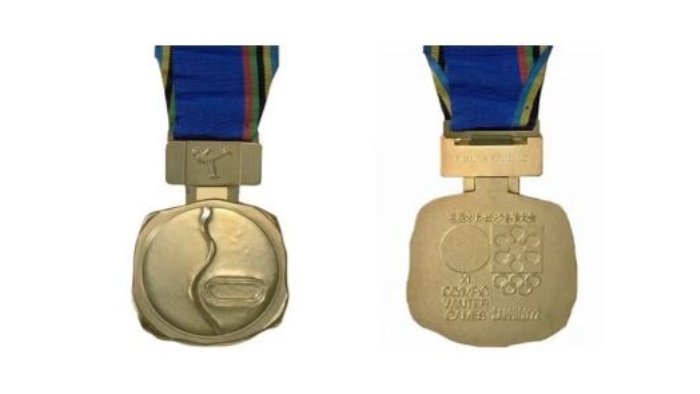
With inscriptions in both English and Japanese on one side, the design on the face of the medal is reminiscent of traditional Japanese duality concepts, such as inyo.
Innsbruck 1976
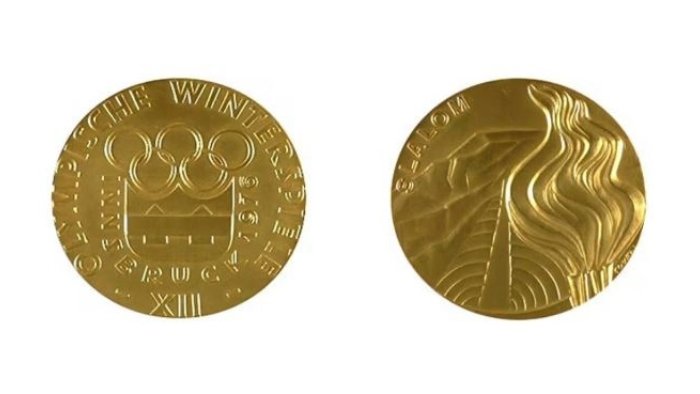
This award features the host town’s namesake – a bridge on the inn – symbolising the coming together of the city of Innsbruck and the rest of the world.
Lake Placid 1980
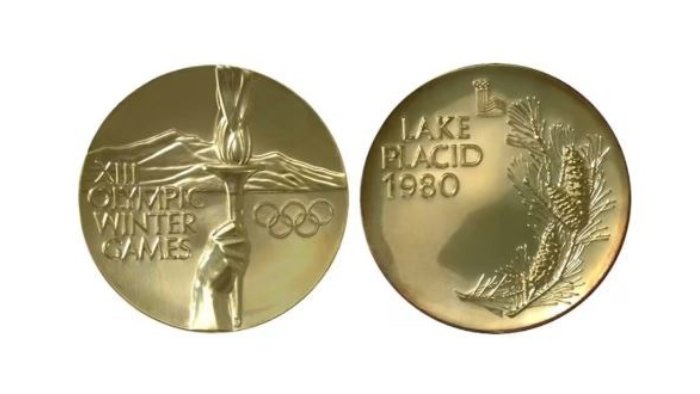
The second medal design of Lake Placid once again features the mountain ranges. This host town was the official ‘Plan B’ of the luge, bobsleigh, and other sliding events for 2026.
Sarajevo 1984
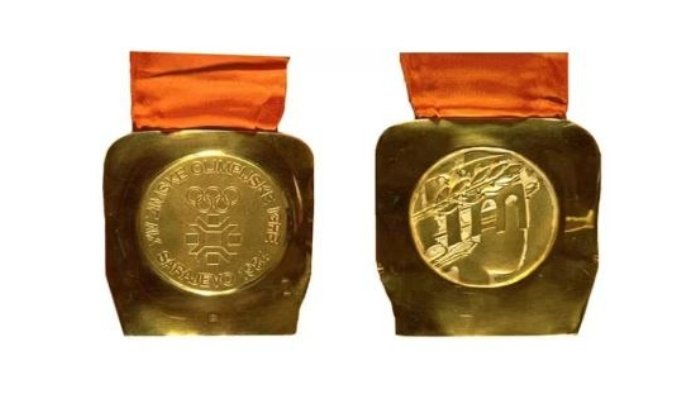
The words “XIV ZIMSKE OLIMPIJSKE IGRE SARAJEVO 1984” surrounds the stylised snowflake featured on the front of this medal.
Calgary 1988
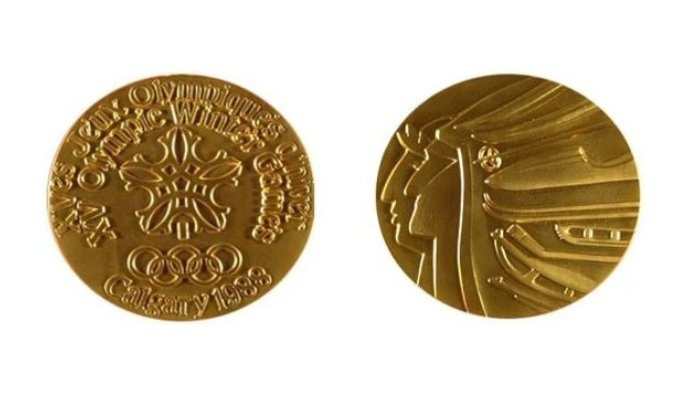
The reverse of this medal shows an athlete crowned with a laurel wreath, standing next to an indigenous American, whose headdress is made up of ski equipment.
Albertville 1992
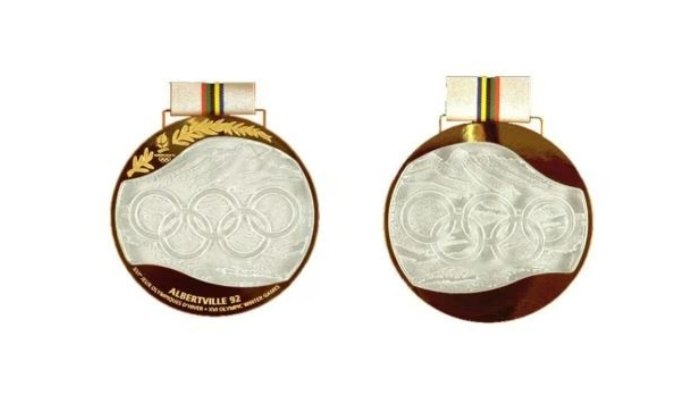
Utilising glass, these medals were completely handmade with the craftsmanship of 35 people and took several hundred hours to create 330 medals.
Lillehammer 1994
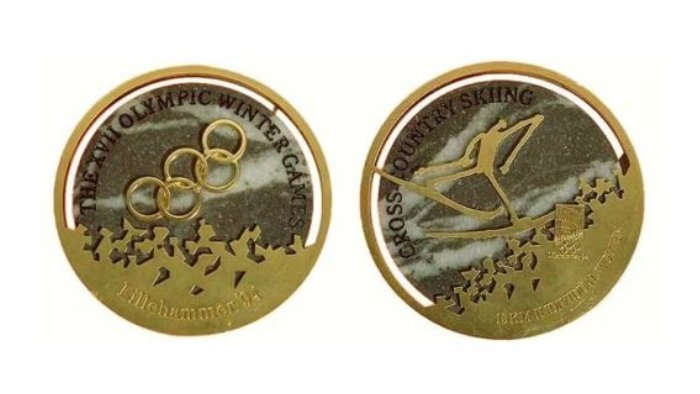
The designer, Ingjerd Hanevold, wanted to represent the people of Norway with this design, citing their love for nature.
Nagano 1998
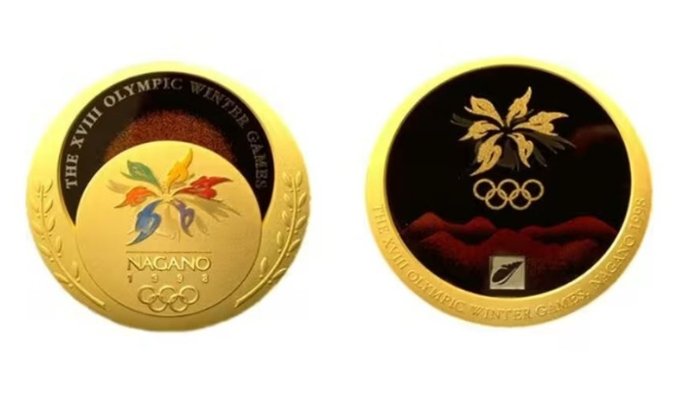
This design was created using the technique of gilding (or Maki-e), using lacquer, to represent local characteristics.
Salt Lake City 2002
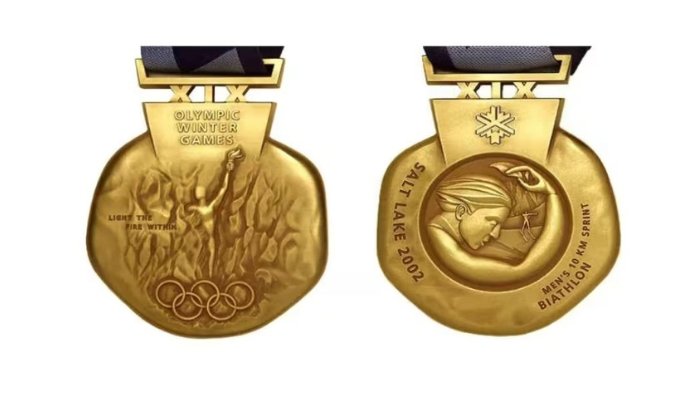
These are the heaviest Olympic Medals ever created. It was also the first time the Olympic vision statement ‘Light the Fire Within’ was inscribed onto a medal.
Torino 2006
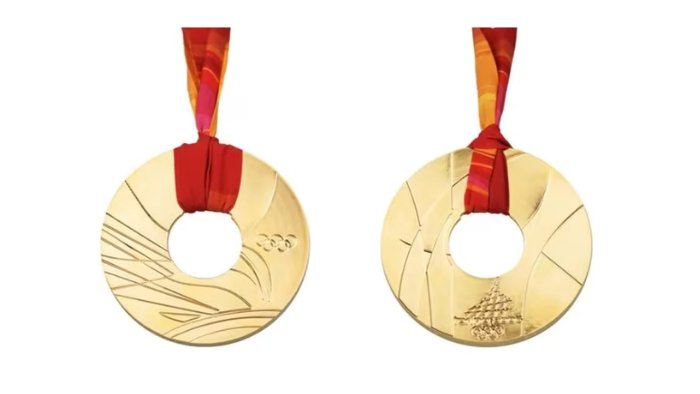
The hole in the middle of the Torino Winter Olympics is an ode to Ancient Roman coins. It also symbolises the centre of life – a place where the heart beats.
Vancouver 2010
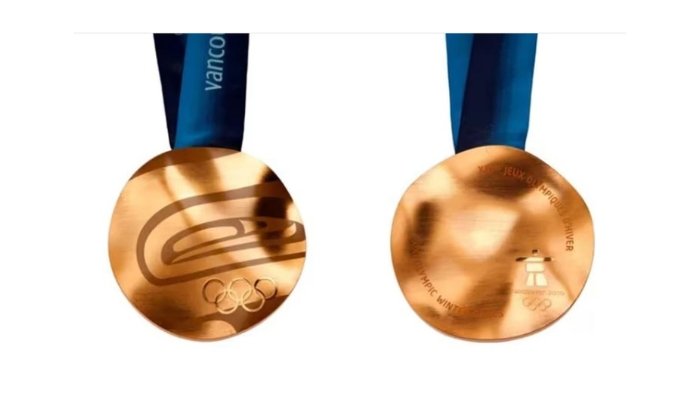
Each of these medals features a section of the artwork that has been hand-cropped, making each of the 615 medals produced unique.
Sochi 2014
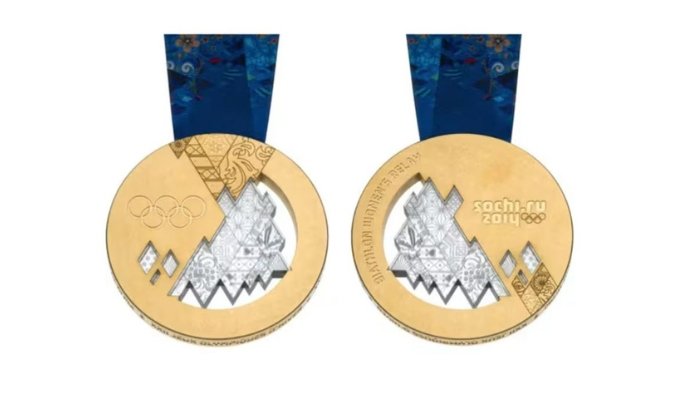
This medal features translucent polycarbonate bonded with the precious metals, allowing light to pass through the centre material.
PyeongChang 2018
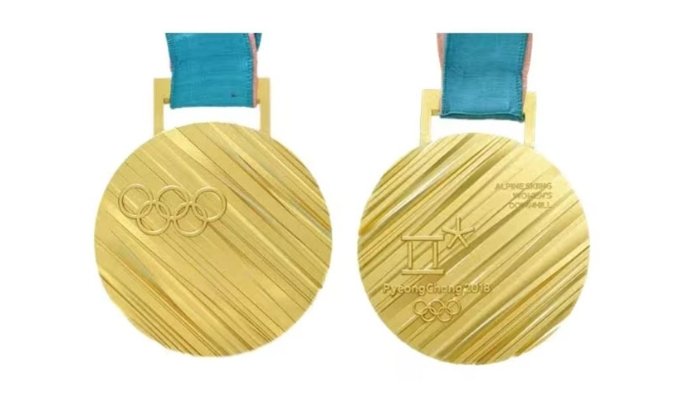
The fabric from which this medal hangs is equally as important as the medal, as it’s made from gapsa – a traditional Korean fabric.
Beijing 2022
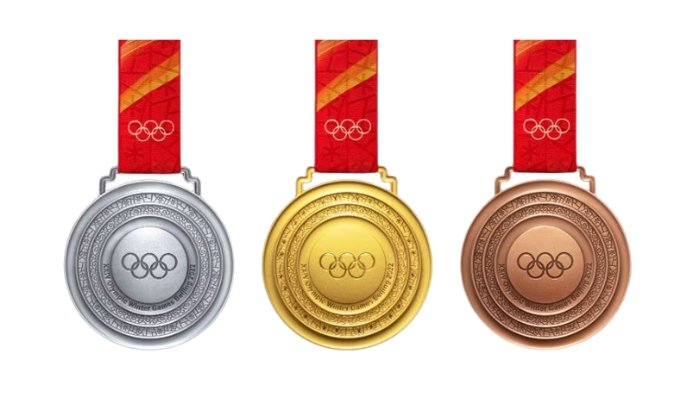
These medals were named “Tong Xin”, meaning “together as one.” The 5 rings represent the 5 rings of the Olympics, and mirror the 2008 Summer Games medals, with Beijing being the first “Dual Olympic city” to host both the Summer and the Winter Olympics.
Climate and the future of the Winter Olympics
Cortina d’Ampezzo will host the Winter Olympics for the second time in 2026, having previously done so in 1956. The setting remains iconic, but the conditions are changing.
Today, the Alps and other potential hosts for the Winter Olympics rely heavily on artificial snowmaking. The reduction in actual snowfall isn’t the only indicator of a shift in temperature. The window to create snow using these machines is also decreasing.
With future games planned in regions facing similar challenges – and the 2030 games set to take place in the French Alps – the Winter Olympics now sit at an intersection of sport, climate, and long-term design thinking.
A 2024 study found that more than half of previous Winter Olympic host sites could become unreliable by 2050 under high-emissions scenarios. Even under more moderate projections, 46% remain at risk.
Rethinking is necessary. From venues and infrastructure to the creation of awards, these realities are shaping not only how the Games are hosted, but how they are designed.
Enjoyed this article?
Sign up for our monthly newsletter to get articles and updates just like this one, straight to your inbox.