







Erkenning van werknemers in verkoopteams is een belangrijke stimulans die in veel bedrijven wordt gebruikt, maar de prestaties en bijdragen van andere teams binnen het bedrijf worden vaak over het hoofd gezien. Schieten organisaties vandaag de dag tekort in dit cultuurvormende gebaar?
De bedrijfsidentiteit wordt opgebouwd door alle mensen binnen het ecosysteem die de activiteiten stimuleren. Dit betekent dat de erkenning van werknemers voor elke afdeling de prestaties van de organisatie helpt ondersteunen.

Wat is werknemerserkenning en wat is het verschil met compensatie?
Hoewel beide een beloning voor een werknemer zijn, is werknemerswaardering een volledig andere entiteit dan compensatie. De bijdrage van een verkoper kan de aanleiding zijn voor een beloning, maar de commissie zelf is compensatie en de award is de waardering.
Maar het is belangrijk om te onthouden dat prestatiecijfers niet de enige reden zijn voor de erkenning van werknemers. Als je hoge prestaties erkent, moet je zeker ook een hoge bijdrage erkennen.
Hoe erkenning van werknemers de betrokkenheid, productiviteit en teamcohesie verbetert
Als een werknemer erkenning krijgt op het werk is hij of zij meer betrokken, productiever en gelukkiger op het werk.
En gelukkigere werknemers leiden tot hechtere teams. Door prioriteit te geven aan de erkenning van werknemers, is de kans groter dat bedrijven hun personeel vasthouden, waardoor er een stabiel en gemotiveerd personeelsbestand ontstaat en de productiviteit weer toeneemt.
Werknemers erkennen vs. werknemers vervangen: inzicht in de werkelijke kosten van personeelsverloop
Wanneer werknemers erkenning van betekenis krijgen, is de kans 45% kleiner dat ze na 2 jaar weer weg gaan. Dit betekent dat bedrijven minder snel gaten in hun personeelsbestand moeten opvullen.
Van werving en indiensttreding tot productiviteitsverlies, de ware impact van werknemerserkenning is terug te vinden in de kosten van het alternatief: vervanging van werknemers.
De kosten voor het aannemen van nieuw talent omvatten:
- Wervingskosten
- Inwerktijd
- Trainingsperioden
- Verloren productiviteit tijdens overgangen
- Verlies van institutionele kennis
Volgens een onderzoek van Oxford Economics, Een werknemer met een jaarloon van £25.000 (€28.500) kost een bedrijf £30.614 (€35.004) om te vervangen.

Maar naast de financiële kosten zorgt personeelsverloop ook voor instabiliteit. Er is een domino-effect wanneer werknemers vertrekken - bredere teams worden verstoord, de druk neemt toe en het moreel verzwakt.
Wanneer erkenning van werknemers wordt gezien als een preventieve oplossing in plaats van een reactieve uitgave, vindt er een cultuuromslag plaats op de werkplek - waarden worden gedeeld, motivatie is collectief binnen het team en de werktevredenheid neem toe.
Hoe bouw je een effectief erkenningsprogramma voor werknemers
Werknemers erkennen in de praktijk is strategisch. Hoe persoonlijker de aanpak, hoe effectiever de resultaten.
Analyse- en adviesbureau Gallup en HR-softwarebedrijf Workhuman hebben hun krachten gebundeld om 5 pijlers van werknemerserkenning te creëren.
Als ze consequent worden gevolgd, is de kans negen keer zo groot dat werknemers betrokken blijven in vergelijking met werknemers van wie de erkenningservaringen aan geen enkele van de 5 pijlers voldoen.
Deze pijlers zijn:
- Voldoen aan de verwachting: De beloning voor werknemerserkenning moet in verhouding staan tot de handeling die je erkent. Het moet zinvol zijn voor de werknemer.
- Authentiek: Een unieke award die echt aanvoelt, gaat altijd verder dan een vinkje in de doos.
- Prijs op maat: Door dit zowel qua ontwerp als materiaal te personaliseren, krijgt het zoveel meer betekenis. Echte waardering is persoonlijk.
- Rechtvaardig: Eerlijke erkenning betekent dat ieders bijdrage in overweging wordt genomen.
- Cultuur: Waardering voor het werk van werknemers moet een fundament zijn van de dagelijkse praktijk
Hoogwaardige en strategische erkenningsprogramma's kunnen organisaties een stap voor laten lopen op hun concurrenten.
Meer leiders erkennen de noodzaak van werknemerswaardering, maar velen onderschatten nog steeds de voordelen van erkenning als onderdeel van de werkcultuur.

Werknemers erkennen meer dan alleen de Dag van de Waardering
De erkenningsdag werd in het leven geroepen door Dr. Bob Nelson ter ondersteuning van zijn boek waarin hij benadrukt dat tastbare gebaren van waardering effectieve motivatoren zijn voor een hogere productiviteit.
Erkenning van werknemers moet niet beperkt blijven tot één enkele dag, maar de markering ervan dient als een belangrijke herinnering: erkenning van werknemers moet het hele jaar door prioriteit krijgen en moet een echte cultuur weerspiegelen.
Fysieke symbolen van werknemerserkenning, zoals prijzen, medailles of trofeeën zijn effectieve manieren voor werkgevers om hun dankbaarheid over te brengen.
Ze fungeren niet alleen als een blijvende herinnering voor werknemers, maar creëren ook een gevoel van trots op hun werk en kunnen een gespreksstarter zijn voor meer werkgerichte productiviteit. Er is geen standaardaanpak die werkt bij het tonen van echte waardering. Het creëren van een unieke prijs die persoonlijk en doordacht is, zal een grotere impact hebben op de tevredenheid en het behoud van werknemers.
Waarom fysieke awards de erkenning van werknemers en de impact op de lange termijn versterken
Hoewel financiële geschenken nuttig zijn, maken ze niet altijd een blijvende indruk. De stappen naar iets tastbaars zorgen er vaak voor dat mensen vergeten waar en hoe ze een voorwerp hebben gekregen.
Hetzelfde geldt voor erkenning. Er is een tijd en een plaats voor financiele beloningen zoals loonsverhogingen - maar de ceremoniële waarde gaat verloren wanneer deze stimulansen te vaak worden gebruikt. Ze kunnen er ook toe leiden dat de ontvangers een paar weken later vergeten zijn, of dat ze zelf de beloning vergeten zijn na een lange week.
In een wereld van eCards en eGifts is de waarde weer verschoven naar tastbare voorwerpen. Een fysiek cadeau symboliseert gedachte en waarde en heeft extra betekenis gekregen.
Door je werknemer een fysiek, blijvend object te geven dat hij mag houden (eventueel naast iets van financiële waarde), creëer je ook een gevoel van permanentie. De prijs wordt een deel van hun omgeving en wordt in hun geheugen gegrift.
Net zoals een attent cadeau meestal meer blijk geeft van zorg dan een cadeaubon, kan een goed doordachte fysieke beloning de erkenning van werknemers effectiever versterken dan welk alternatief dan ook.
Het personaliseren van een award geeft meer gewicht aan de erkenning. Het geven van nog een glazen bol of houten plaquette zegt niet ‘bedankt voor je inspanningen’, maar is meer een doorzichtige poging om de productiviteit met alle mogelijke middelen te maximaliseren.
Een beloning voelt al snel geforceerd en ouderwets wanneer het object zelf inspiratieloos of gedateerd is. In plaats van een oprecht gebaar van dankbaarheid, wordt het dan een zakelijke verplichting en dit zullen werknemers ook door hebben
Van de materiaalkeuze tot het algemene ontwerp, elk onderdeel van een trofee moet iets betekenisvol zeggen.
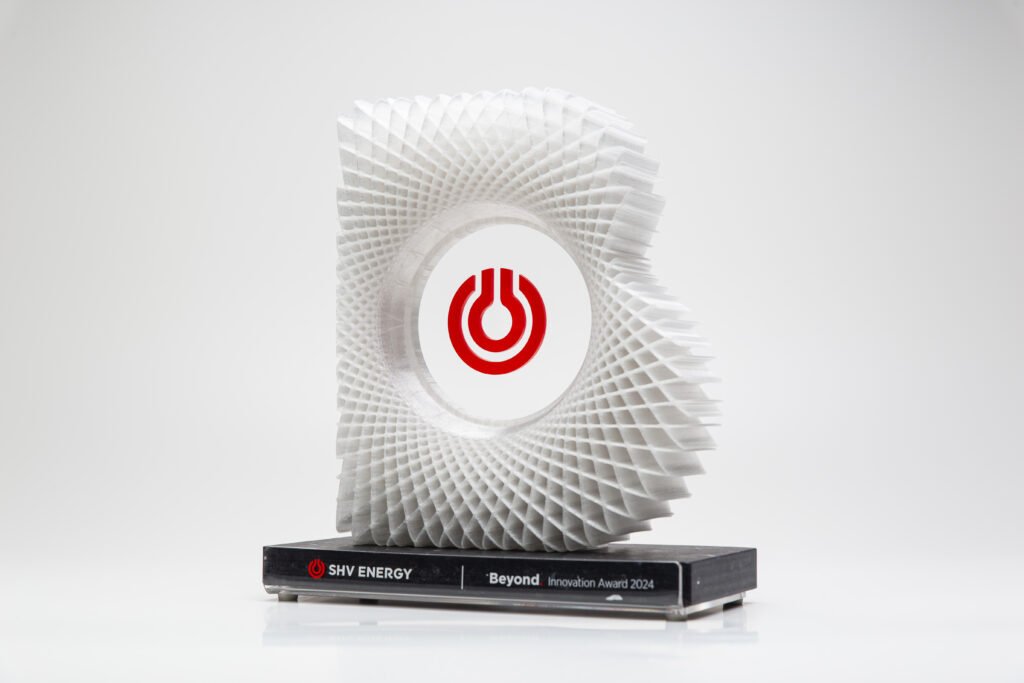
Bij Upstream Trophies kunnen we samen met u een trofee ontwerpen die uw medewerker aanspreekt. We kunnen bijvoorbeeld materiaalbronnen adviseren: Awards voor IT-afdelingen kunnen bijvoorbeeld worden gemaakt van gerecycled computerafval. Onze ontwerpdeskundigen kunnen helpen met het ontwerpen van unieke awards, zodat deze uw merkwaarden weerspiegelt. We kunnen je helpen een unieke bedrijfsprijs met intentie, die de waarden van de organisatie belichamen en die persoonlijke accenten bevatten die door uw werknemers zullen worden gewaardeerd.
Conclusie: waarom werknemerserkenning essentieel is voor personeelsbehoud, cultuur en zakelijk succes
De aanpak van erkenning van werknemers met volledige inzet leidt niet alleen tot hogere retentiepercentages en werknemerstevredenheid, maar verhoogt ook de waargenomen integriteit, wat op zijn beurt kan leiden tot het aantrekken van talent.
Dit implementeren in je organisatiecultuurstrategie kan het verschil maken als het gaat om het aangaan van toekomstige uitdagingen of het weerbaar zijn tegen externe factoren. Terwijl sommige organisaties het moeilijk hebben, kan een goed gestructureerd erkenningssysteem voor werknemers je bedrijf helpen bloeien.
Erkenning van werknemers is al te vaak een bijzaak. Het wordt alleen gebruikt voor grote evenementen, mijlpalen, eindejaarsmomenten of uitzonderlijke prestaties.
Maar als erkenning opzettelijk, regelmatig en gestructureerd is, heeft het het vermogen om te bepalen hoe werknemers hun werk zien, hoe lang ze blijven en of ze zich deel voelen uitmaken van iets zinvols of gewoon een radertje in een bedrijfsmachine.