







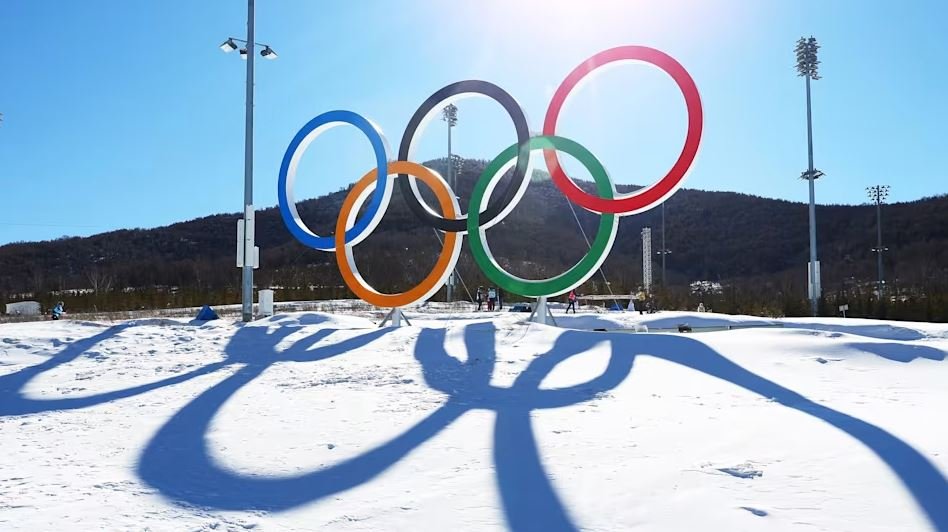
Olympische wintermedailles 2026: Ontwerp
Elk jaar worden de medailles op de Olympische Spelen opnieuw vormgegeven om niet alleen het evenement, maar ook een wereldwijde houding te symboliseren. Bij de Olympische Wintermedailles van 2026 is dit niet anders.
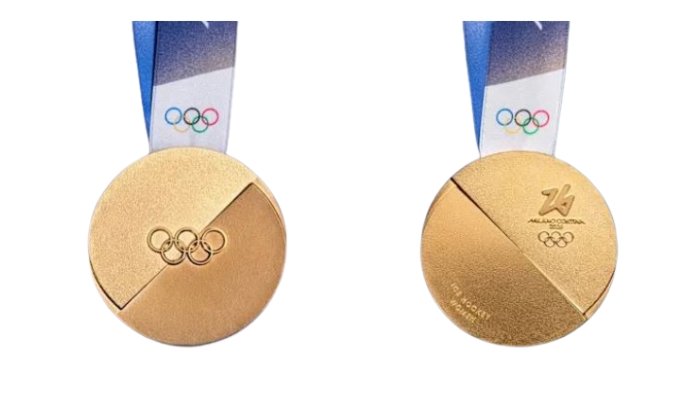
Het ontwerp van de Olympische medaille volgt de minimalistische trend van de afgelopen jaren en ziet er op het eerste gezicht eenvoudig uit.
Als je beter kijkt, zie je twee helften, waarbij elke helft de “kracht van verschillen” viert en één wordt “om een gedurfd, verenigd statement te maken”. (bron: Milaan Cortina 2026)
Het is geen geheim dat duurzaamheid dit jaar een enorm thema van de Winterspelen is. Met bijvoorbeeld de opwarmende temperaturen die het voor de steden die de Spelen organiseren moeilijker maakt dan ooit.
Het ontwerp van de Olympische medaille van Milano Cortina heeft zijn eigen rol in het beantwoorden van deze vraag.
De medailles van dit jaar zijn gemaakt van het productieafval van de Italiaanse Staatsmunt - snijresten van metalen die zijn gerecycled tot glorieuze Olympische prijzen.
En niet alleen dat, maar de oven waarin ze werden gegoten? Volledig aangedreven door herbruikbare energie.
Dit doordachte ontwerp laat zien hoe trofeeën en awards een deel van de oplossing kunnen zijn en net zo mooi kunnen blijven als altijd.
Een korte geschiedenis van Olympische wintermedailles
De Olympische Winterspelen bestaan iets meer dan een eeuw, te beginnen in 1924 in Chamonix, Frankrijk. Vanaf het begin zorgde het spel niet alleen voor een competitieve sfeer, maar benadrukte het ook de bestemming en de relatie tussen menselijke prestaties en extreme omgevingen.
De eerste Winterspelen introduceerden sporten die deze omgeving weerspiegelden, zoals schaatsen, schansspringen, curling en bobslee, naast ijshockey en kunstschaatsen, die eerder al op de Olympische Zomerspelen voorkwamen. In totaal waren er 16 medailles om voor te strijden.
Vandaag heeft de schaal een dramatische verandering ondergaan. De Olympische Winterspelen van 2026 in Milaan en Cortina d'Ampezzo zullen meer dan 3,500 atleten die strijden voor 195 Olympische medailles.
Wat niet veranderd is, is de rol van de medaille zelf: een fysieke markering van een moment, ontworpen om te blijven bestaan.
Olympische wintermedailles door de jaren heen
In tegenstelling tot de Zomerspelen, die al enkele decennia een gestandaardiseerd medailleontwerp delen, zijn Olympische Wintermedailles altijd behandeld als unieke ontwerpopdrachten.
Hieronder hebben we alle ontwerpen van Olympische medailles verzameld, met een korte beschrijving van speciale of interessante kenmerken:
(bron: olympische.nl)
Chamonix 1924
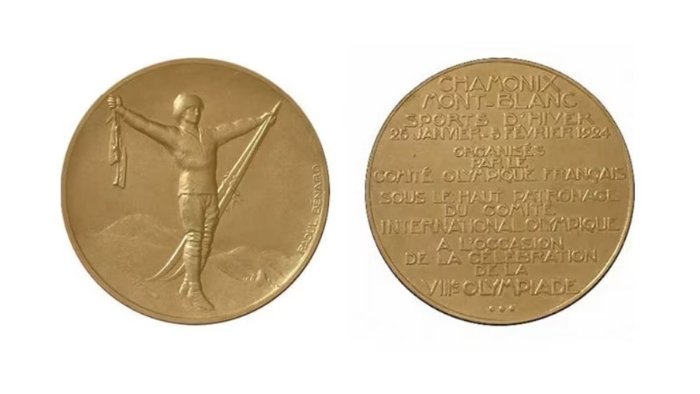
Sindsdien heeft elke editie een nieuw hoofdstuk toegevoegd aan het verhaal van het ontwerp van de Olympische medaille, met als hoogtepunt de sobere, conceptuele benadering die we bij de recente Spelen hebben gezien en die door Milaan Cortina 2026 wordt voortgezet.
St Moritz 1928
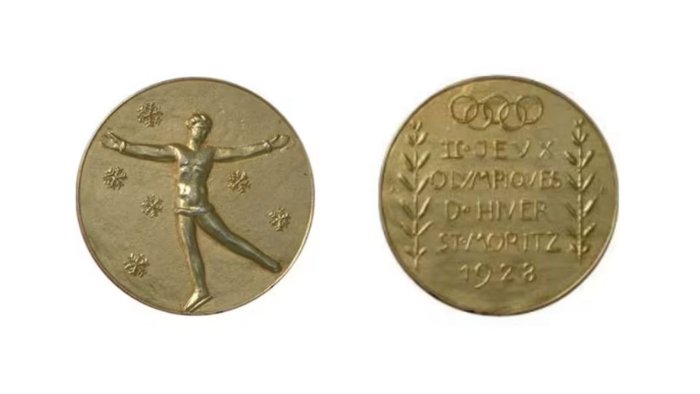
Deze medaille toont een kunstschaatser op de voorkant met de woorden ‘II Jeux Olympiques D'hiver St Moritz 1928’ (2e Olympische Winterspelen St Moritz 1928).
Lake Placid 1932
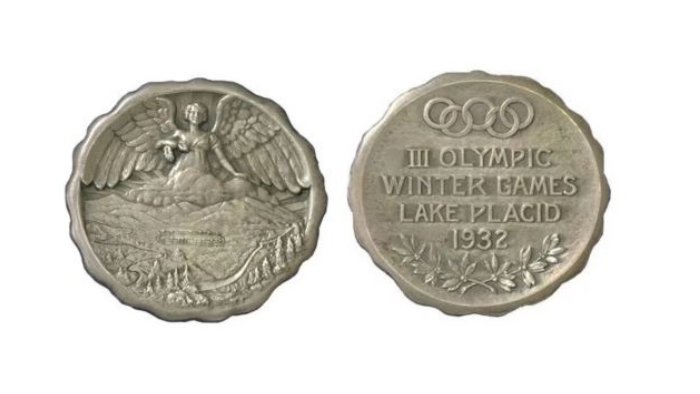
Het eerste Olympische medailleontwerp van Lake Placid heeft een geschulpte rand, geïnspireerd op de dwarsdoorsnede van een oude zuil.
Garmisch-Partenkiurchen 1936
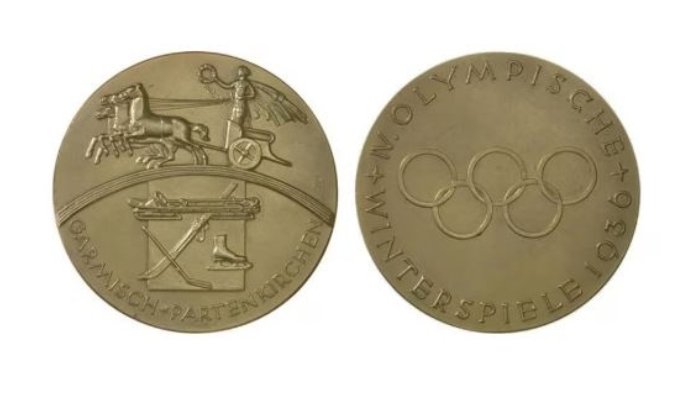
Na dit Olympische Winterspeltoernooi volgde een pauze van 12 jaar. Na de Tweede Wereldoorlog werden de Spelen hervat in 1948.
St. Moritz 1948
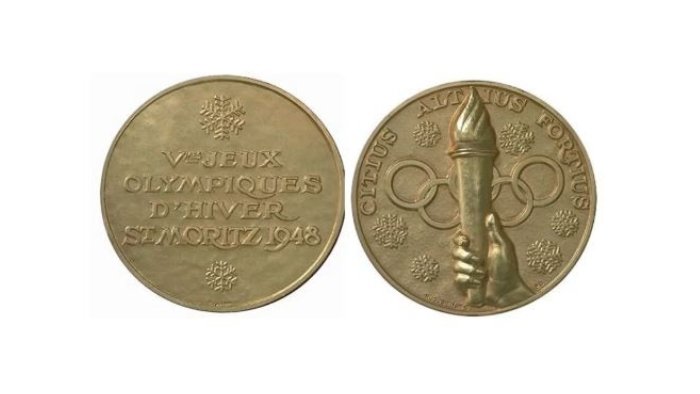
St. Moritz was de eerste locatie waar de Winterspelen twee keer werden gehouden. Cortina wordt de vierde locatie die twee keer als gastheer optreedt.
Oslo 1952
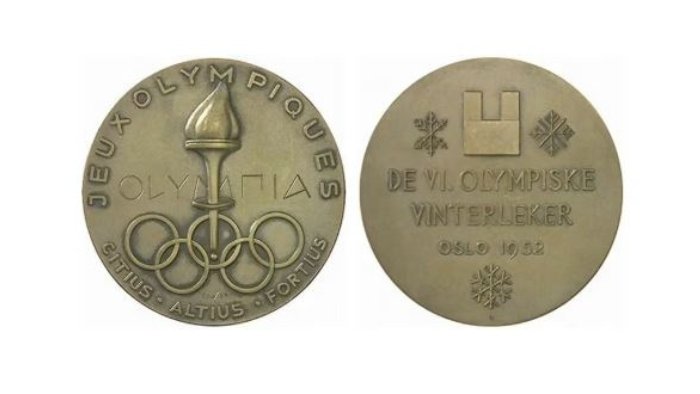
Oslo, Noorwegen was gastheer in 1952. Op de voorkant van de medaille staat de Olympische fakkel afgebeeld, een afspiegeling van de vorige medaille en een belangrijk kenmerk van de Olympische zomermedailles.
Cortina d'Ampezzo 1956
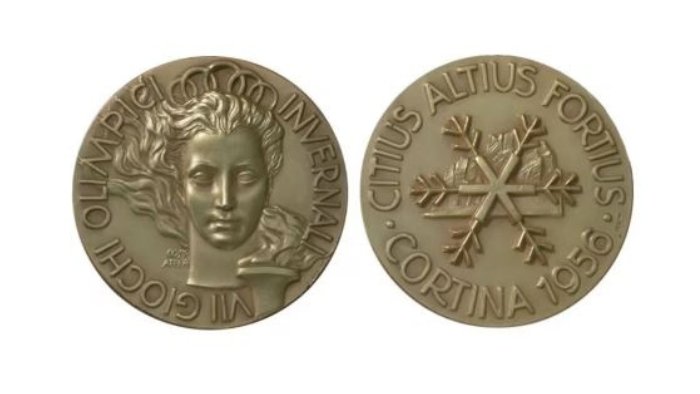
De eerste keer dat Cortina d'Ampezzo gastheer was, stond op het ontwerp van de Olympische medaille het hoofd van een vrouw gekroond met de Olympische ringen.
Squaw Valley 1960
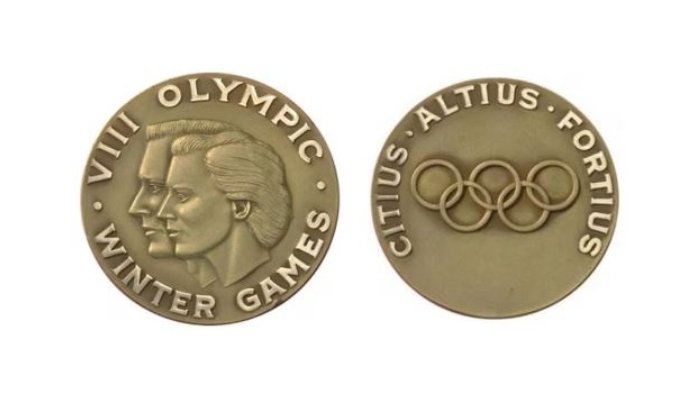
Er werden dit jaar in totaal 60 medailles gemaakt, met aan de ene kant de hoofden van een man en een vrouw en aan de andere kant de Olympische ringen. Aan de onderkant was ruimte vrijgelaten om de namen van de winnaars op te schrijven.
Innsbruck 1964
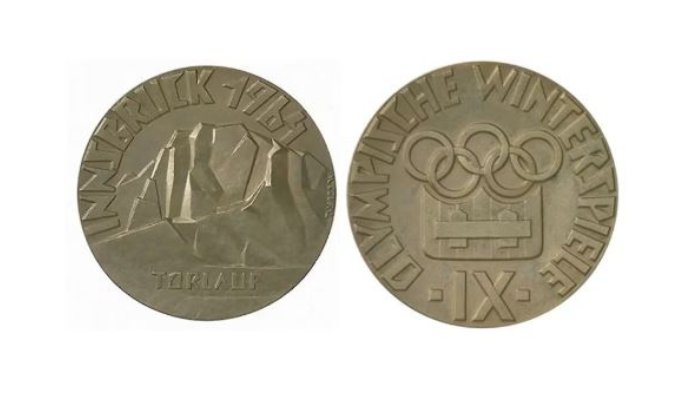
Het ontwerp van de Olympische medaille uit 1964 heeft een modern lettertype en toont het Alpen berggebied
Grenoble 1968
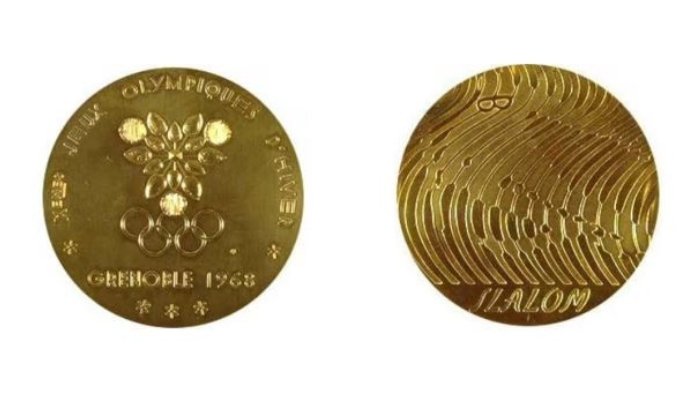
Voor het eerst in de Olympische geschiedenis werd er voor elke sport een ander medailleontwerp gemaakt voor de Winterspelen van Grenoble in 1968.
Sapporo 1972
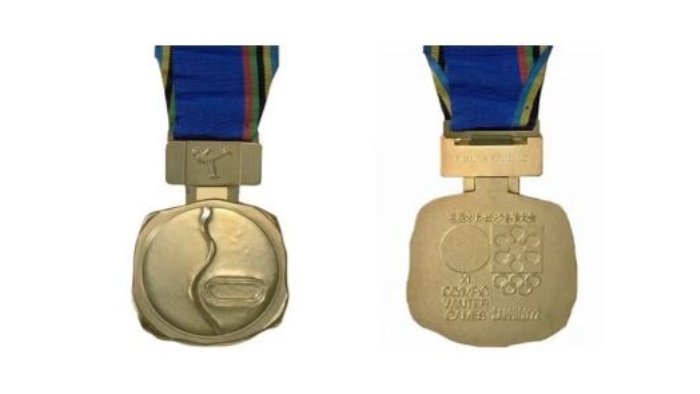
Met inscripties in zowel Engels als Japans op één zijde, doet het ontwerp op de voorkant van de medaille denken aan traditionele Japanse balans tussen tegenpolen, zoals inyo.
Innsbruck 1976
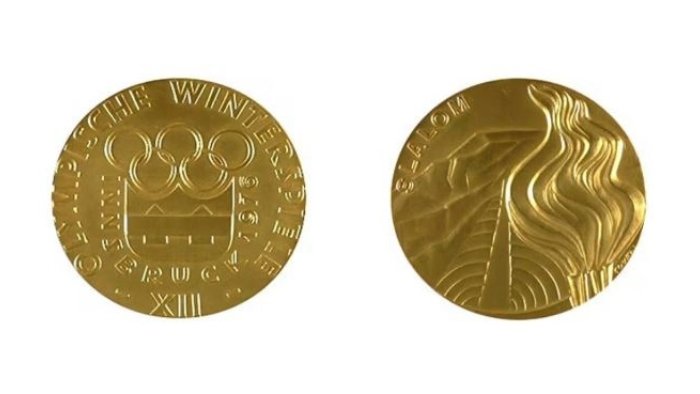
Op deze prijs staat de naamgever van de gaststad - een brug op de herberg - symbool voor het samenkomen van de stad Innsbruck en de rest van de wereld.
Lake Placid 1980
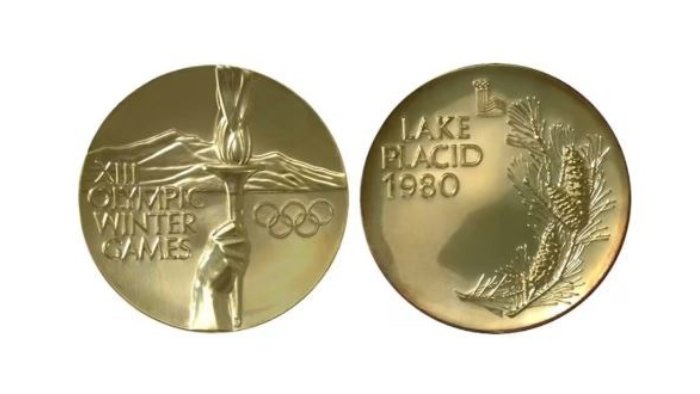
Op het tweede medailleontwerp van Lake Placid zijn opnieuw de bergketens te zien. Deze gaststad was het officiële ‘Plan B’ van de rodel-, bobslee- en andere glijevenementen voor 2026.
Sarajevo 1984
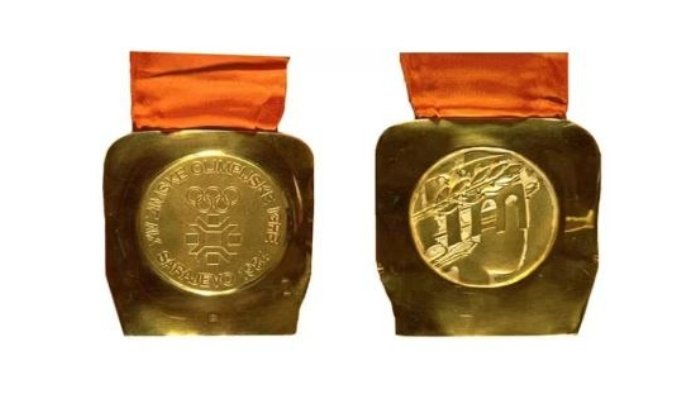
De woorden “XIV ZIMSKE OLIMPIJSKE IGRE SARAJEVO 1984” omringen de sneeuwvlok op de voorkant van deze medaille.
Calgary 1988
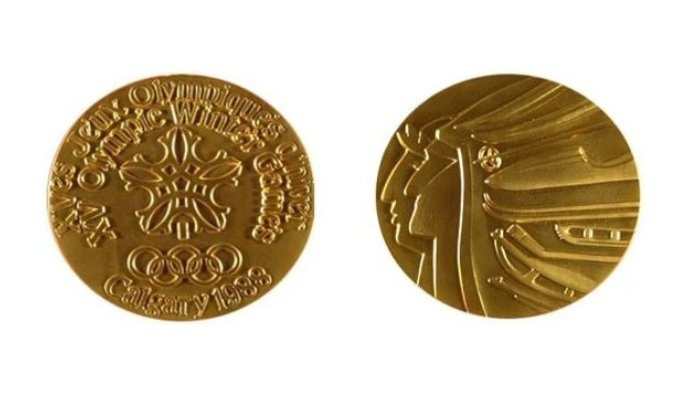
De achterkant van deze medaille toont een atleet gekroond met een lauwerkrans, staand naast een inheemse Amerikaan, wiens hoofdtooi bestaat uit ski-uitrusting.
Albertville 1992
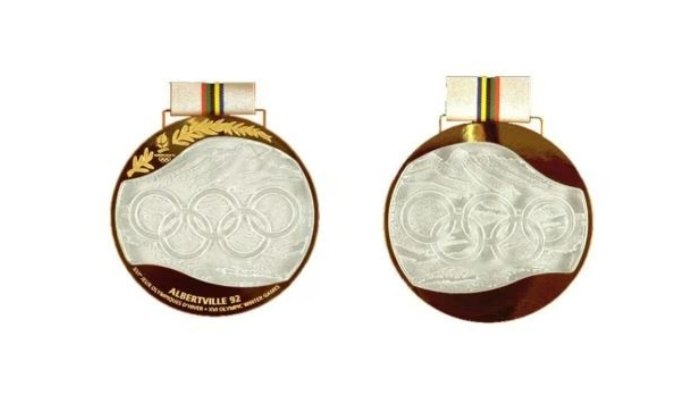
Deze medailles zijn volledig met de hand gemaakt met het vakmanschap van 35 mensen en er waren honderden uren nodig om 330 medailles te maken.
Lillehammer 1994
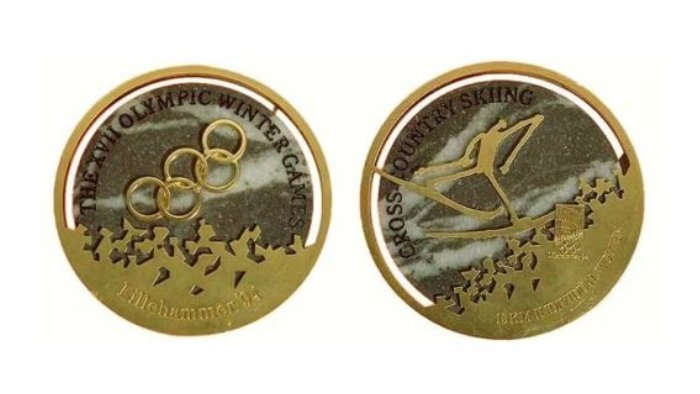
De ontwerper, Ingjerd Hanevold, wilde met dit ontwerp de mensen van Noorwegen vertegenwoordigen, verwijzend naar hun liefde voor de natuur.
Nagano 1998
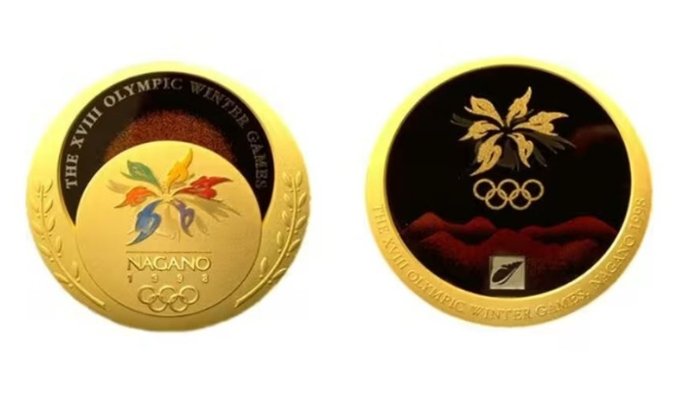
Dit ontwerp is gemaakt met de techniek van vergulden (of Maki-e), waarbij lak wordt gebruikt om lokale kenmerken weer te geven.
Salt Lake City 2002
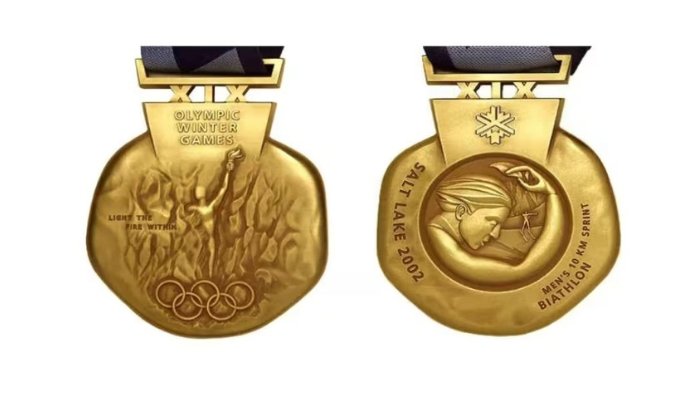
Dit zijn de zwaarste Olympische medailles ooit gemaakt. Het was ook de eerste keer dat de Olympische visie ‘Light the Fire Within’ op een medaille werd gegraveerd.
Turijn 2006
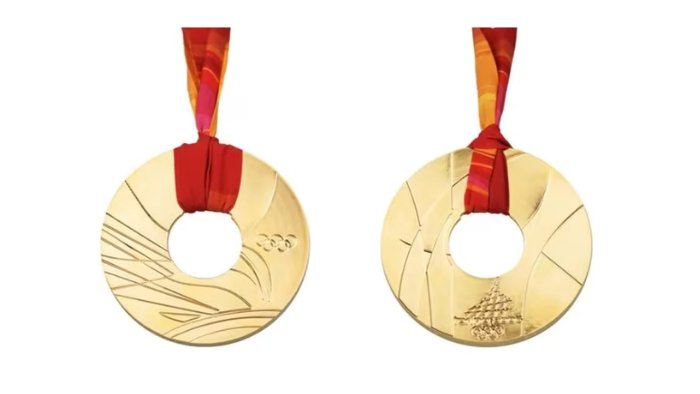
Het gat in het midden van de Olympische Winterspelen van Turijn is een ode aan de oude Romeinse munten. Het symboliseert ook het centrum van het leven - een plek waar het hart klopt.
Vancouver 2010
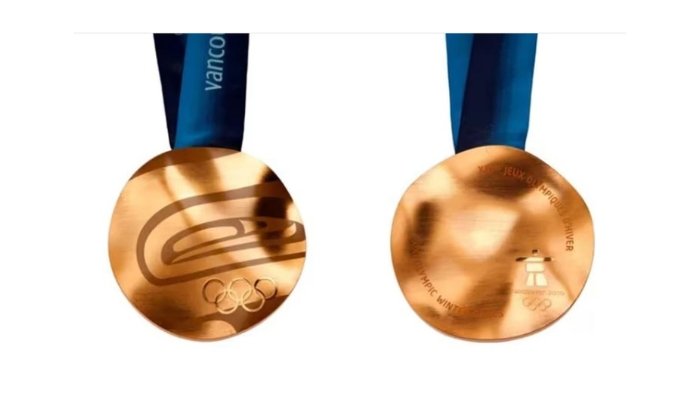
Elk van deze medailles heeft een deel van het kunstwerk dat met de hand is uitgeknipt, waardoor elk van de 615 geproduceerde medailles uniek is.
Sotsji 2014
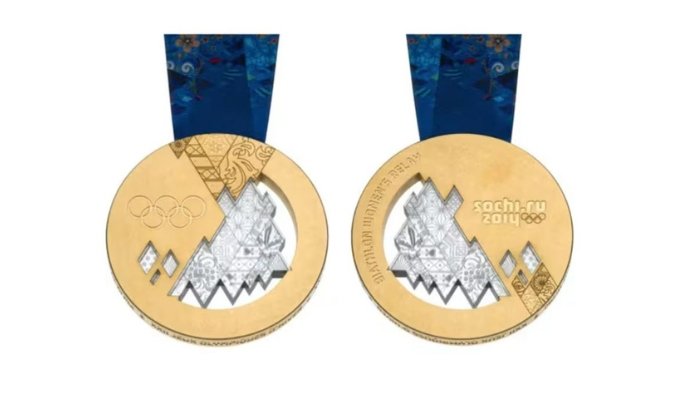
Deze medaille is gemaakt van doorschijnend polycarbonaat dat met de edelmetalen is verbonden, waardoor het licht door het materiaal in het midden valt.
PyeongChang 2018
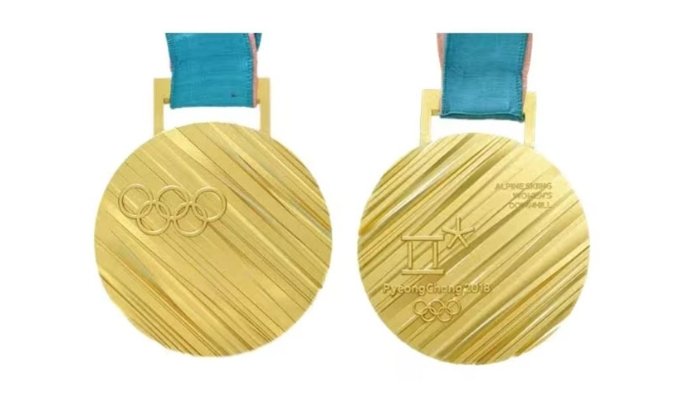
De stof waaraan deze medaille hangt is net zo belangrijk als de medaille, want hij is gemaakt van gapsa - een traditionele Koreaanse stof.
Peking 2022
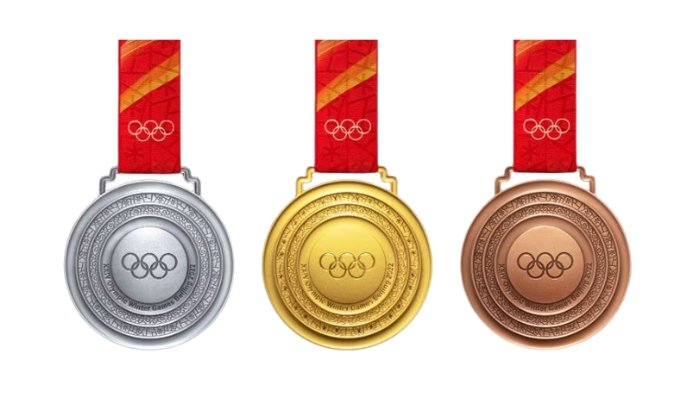
Deze medailles kregen de naam “Tong Xin”, wat “samen als één” betekent. De 5 ringen staan voor de 5 ringen van de Olympische Spelen en weerspiegelen de medailles van de Zomerspelen van 2008, waarbij Beijing de eerste “dubbele Olympische stad” was die zowel de Zomer- als de Winterspelen organiseerde.
Klimaat en de toekomst van de Olympische Winterspelen
Cortina d'Ampezzo zal in 2026 voor de tweede keer gastheer zijn van de Olympische Winterspelen, nadat dat eerder al in 1956 gebeurde. De locatie blijft iconisch, maar de omstandigheden veranderen.
Tegenwoordig zijn de Alpen en andere potentiële gastlanden voor de Olympische Winterspelen sterk afhankelijk van kunstmatige besneeuwing. De afname in sneeuwval is niet de enige indicator van de temperatuursverandering. Het venster om sneeuw te maken met deze machines wordt ook kleiner.
Met toekomstige Spelen die gepland staan in regio's met vergelijkbare uitdagingen - en de Spelen van 2030 in de Franse Alpen - bevinden de Olympische Winterspelen zich nu op een kruispunt van sport, klimaat en ontwerpdenken voor de lange termijn.
Uit een studie van 2024 bleek dat meer dan de helft van de vorige Olympische Winterspelen in 2050 onbetrouwbaar zouden kunnen worden bij scenario's met een hoge uitstoot. Zelfs bij gematigdere prognoses blijven 46% in gevaar.
Heroverweging is noodzakelijk. Van locaties en infrastructuur tot de toekenning van prijzen, Deze realiteit bepaalt niet alleen hoe de Spelen worden georganiseerd, maar ook hoe ze worden ontworpen.
Genoten van dit artikel?
Meld je aan voor onze maandelijkse nieuwsbrief en ontvang artikelen en updates zoals deze rechtstreeks in je inbox.